Descend into the research.
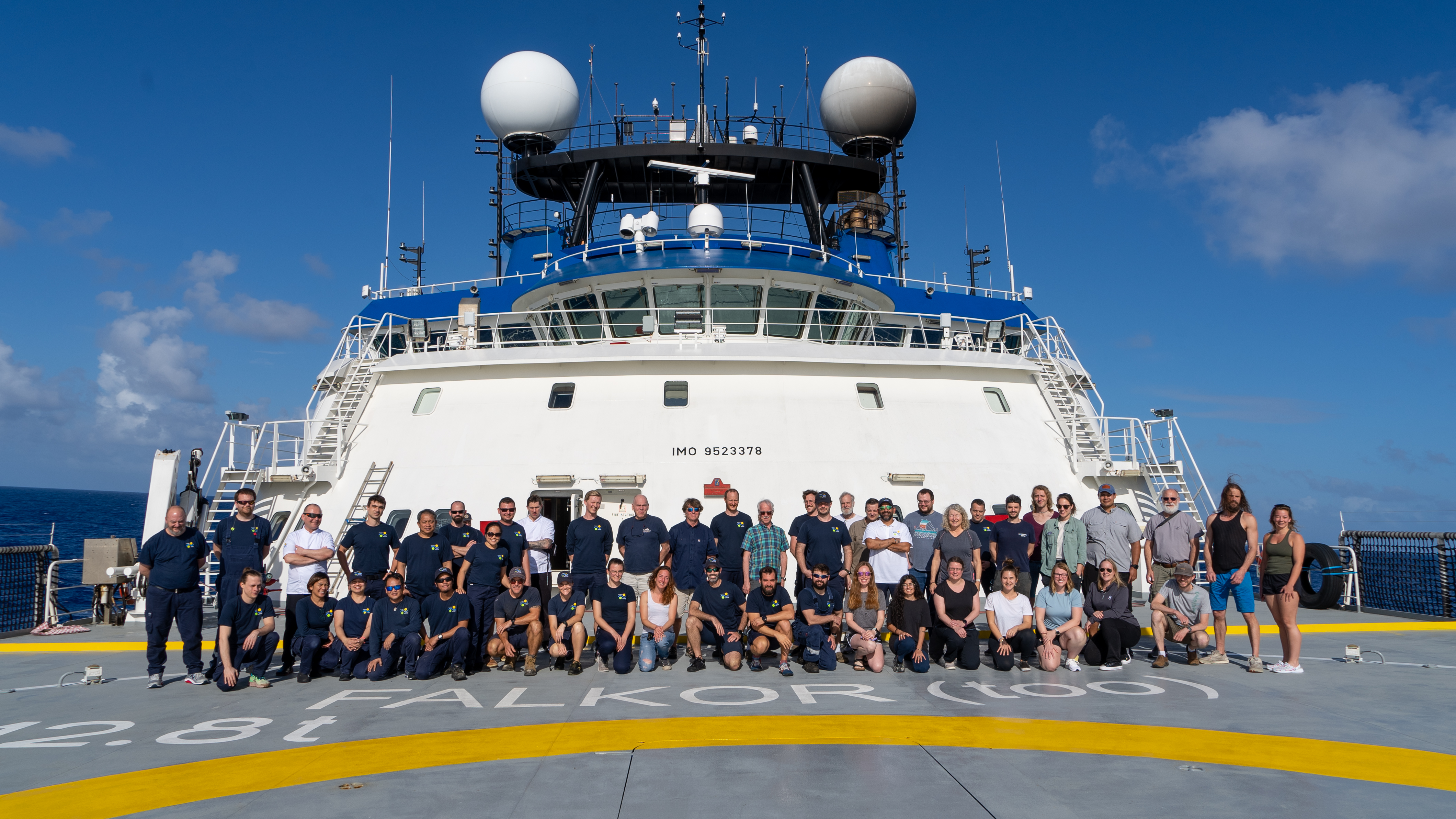
Three research cruises. Over ten weeks at sea. A submersible dive past 2,000 metres. Three newly discovered hydrothermal vent sites on the Mid-Atlantic Ridge. Scroll to descend.
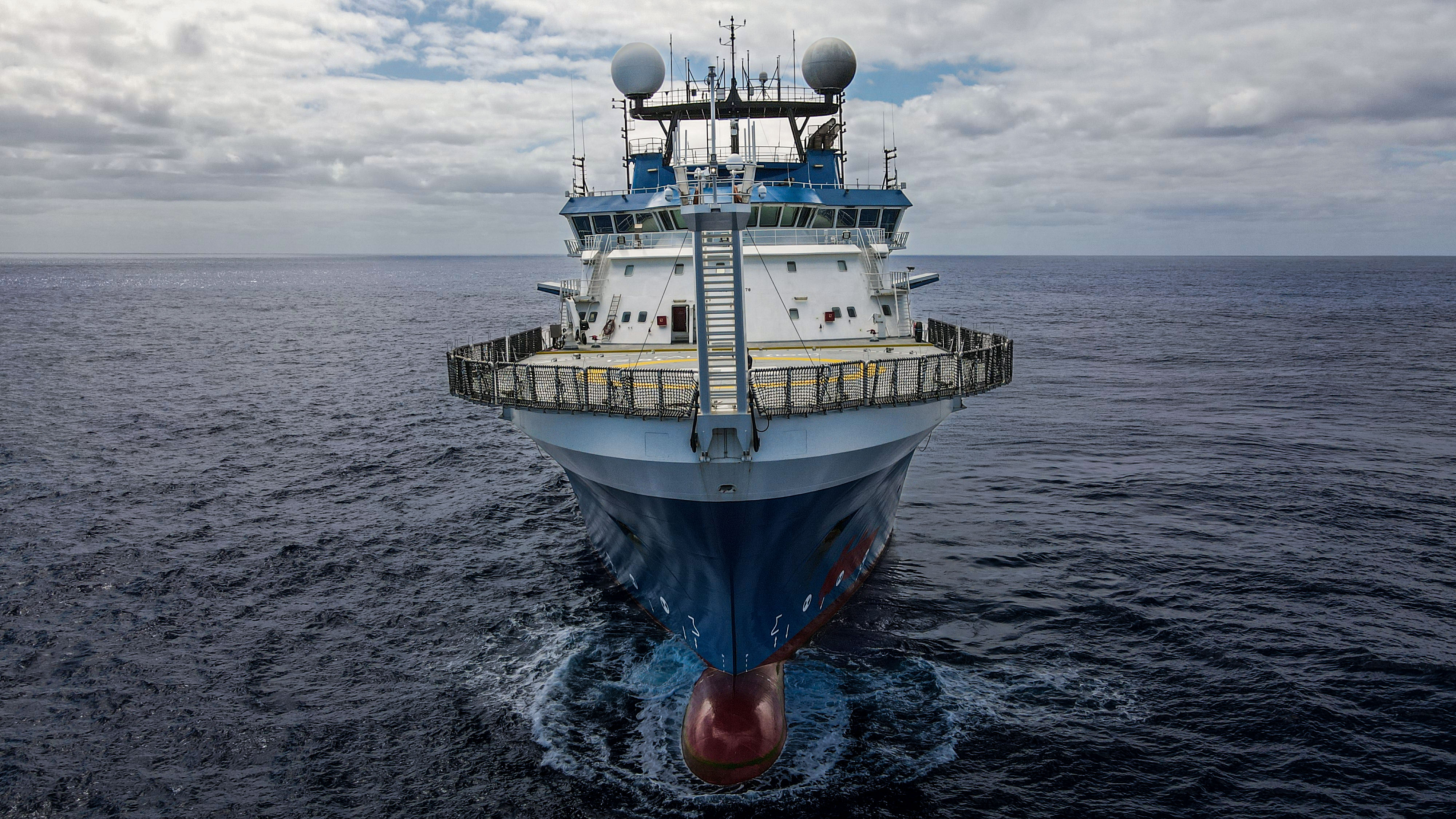
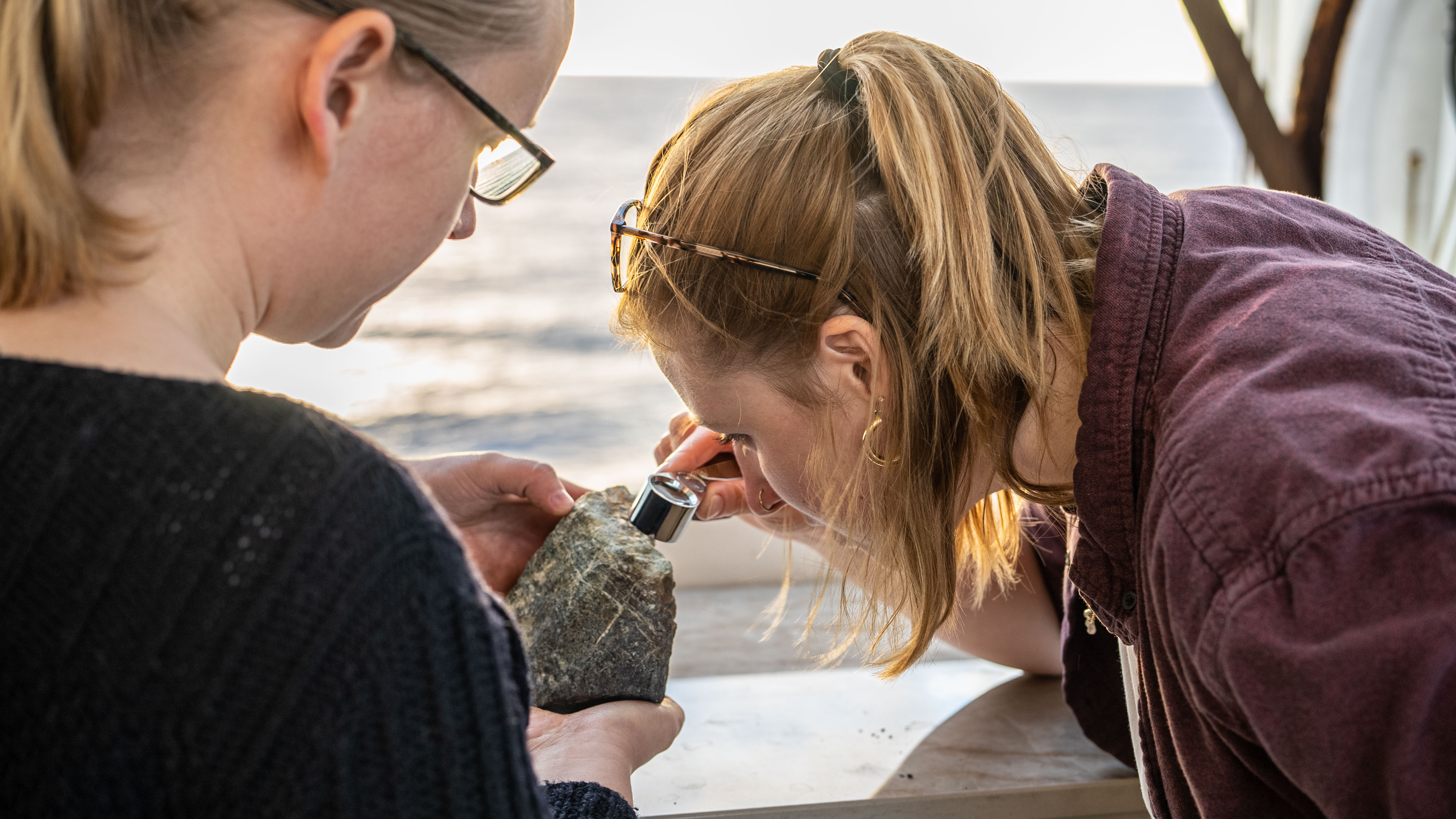
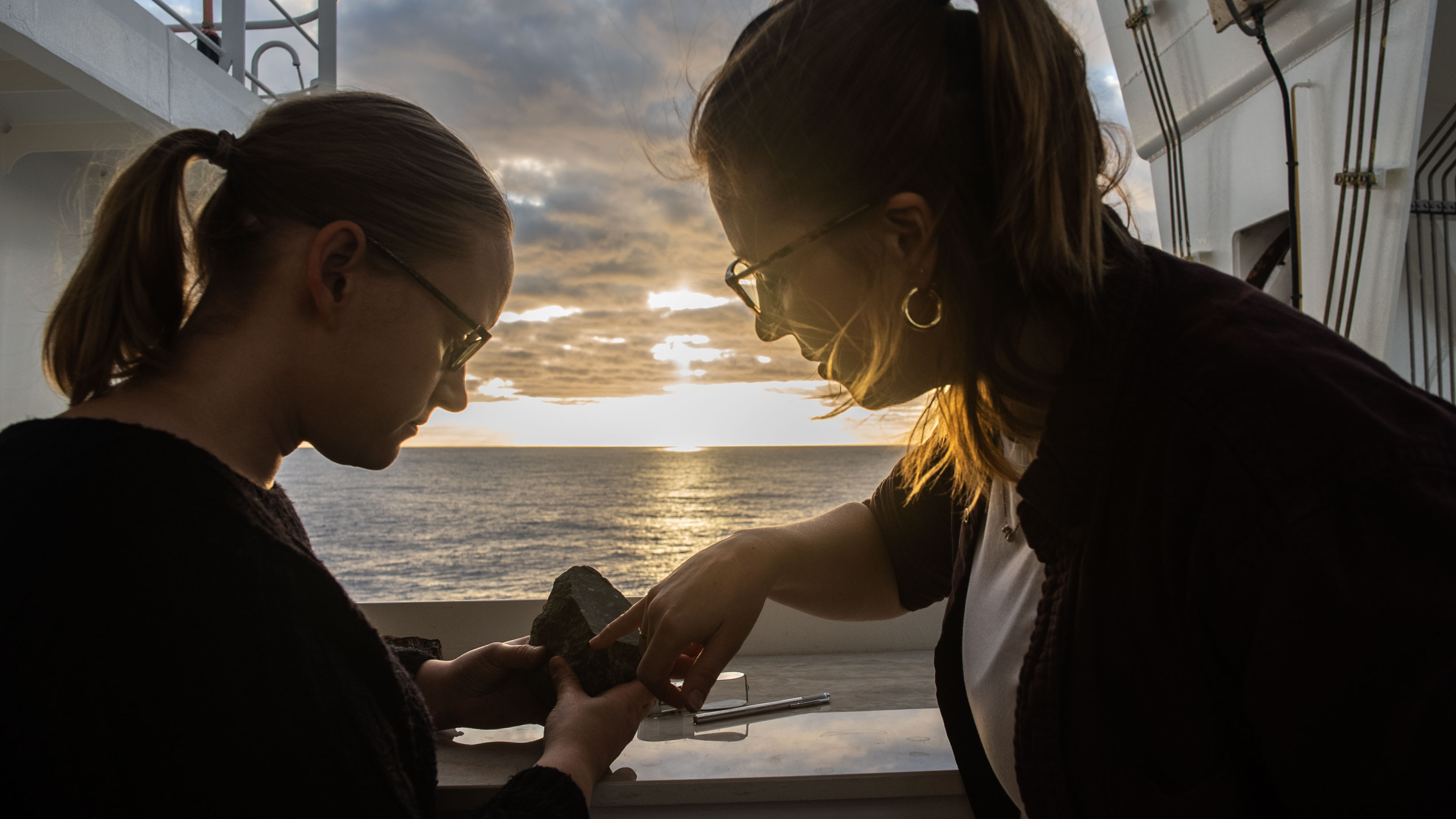
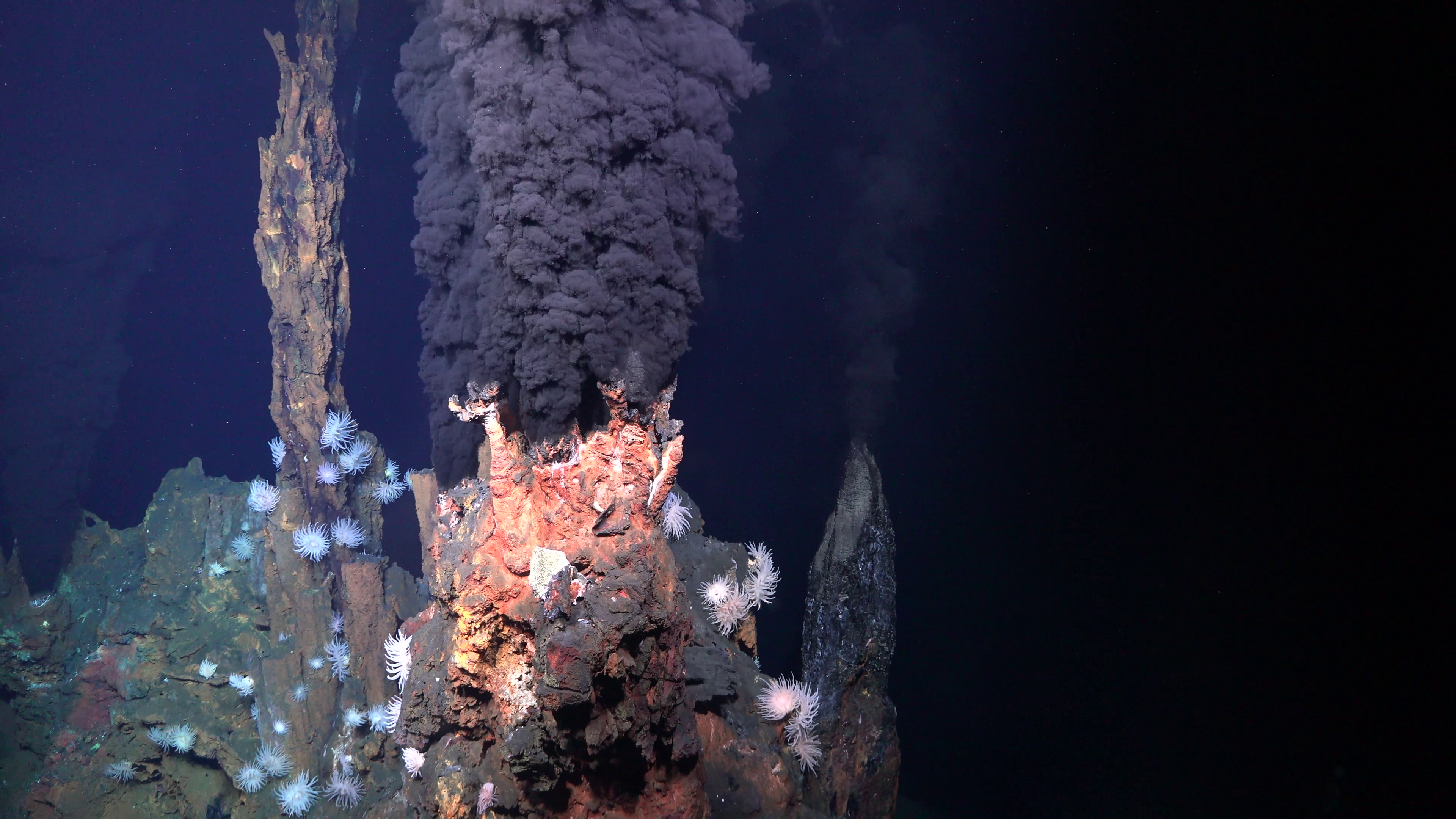
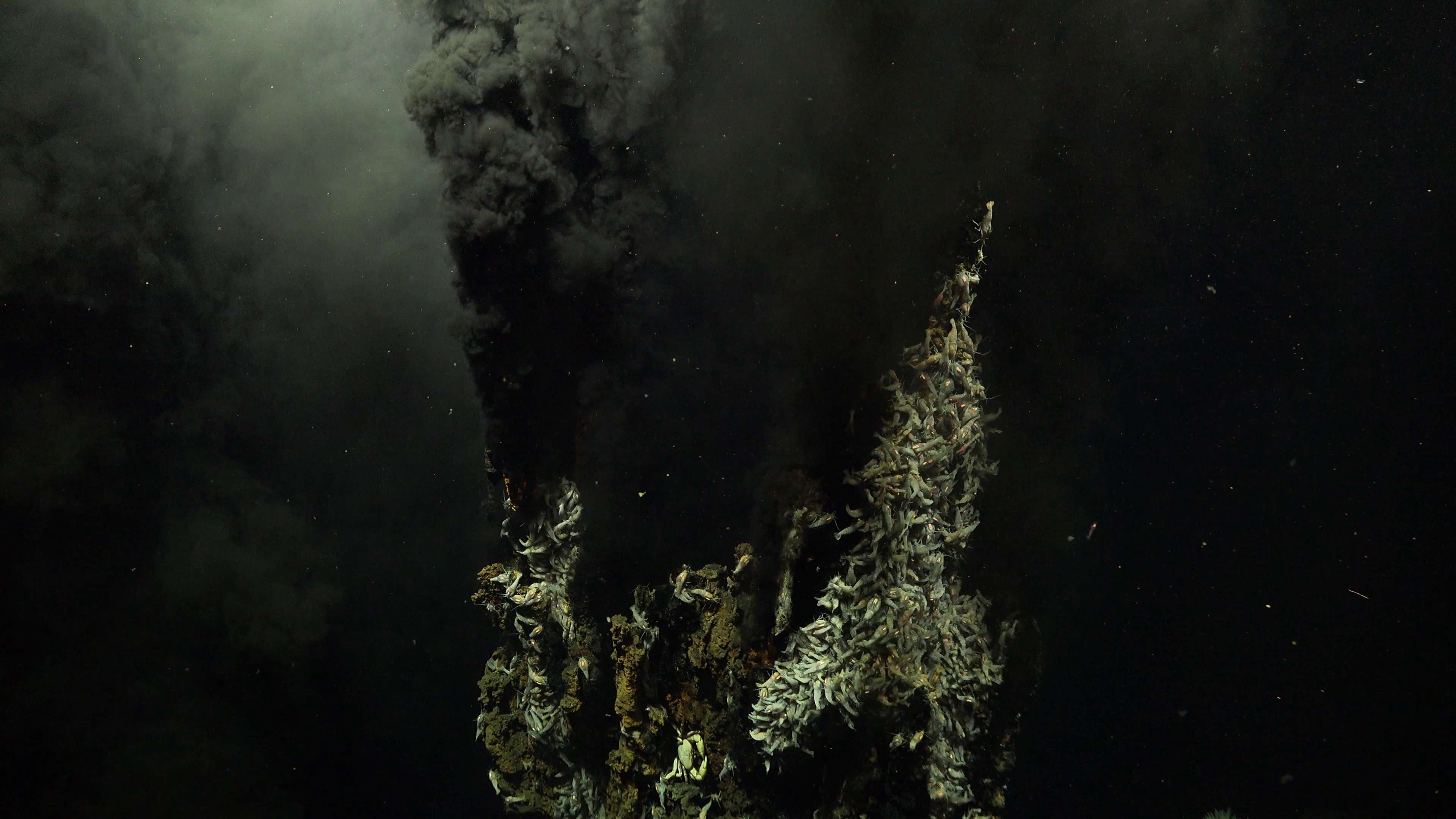
The goal was to find hydrothermal vent systems like "Lost City" — rare alkaline vents formed by serpentinization, suspected to harbour chemistry closest to the conditions that may have facilitated the origin of life on Earth. We didn't find Lost City vents — but we discovered three previously undescribed black smoker hydrothermal vent sites on the Mid-Atlantic Ridge. I led the photogrammetry project and 3D vent reconstructions — and brought the discoveries to the public through my own science communication, reaching over 220,000 impressions on X (formerly Twitter). View the expedition →
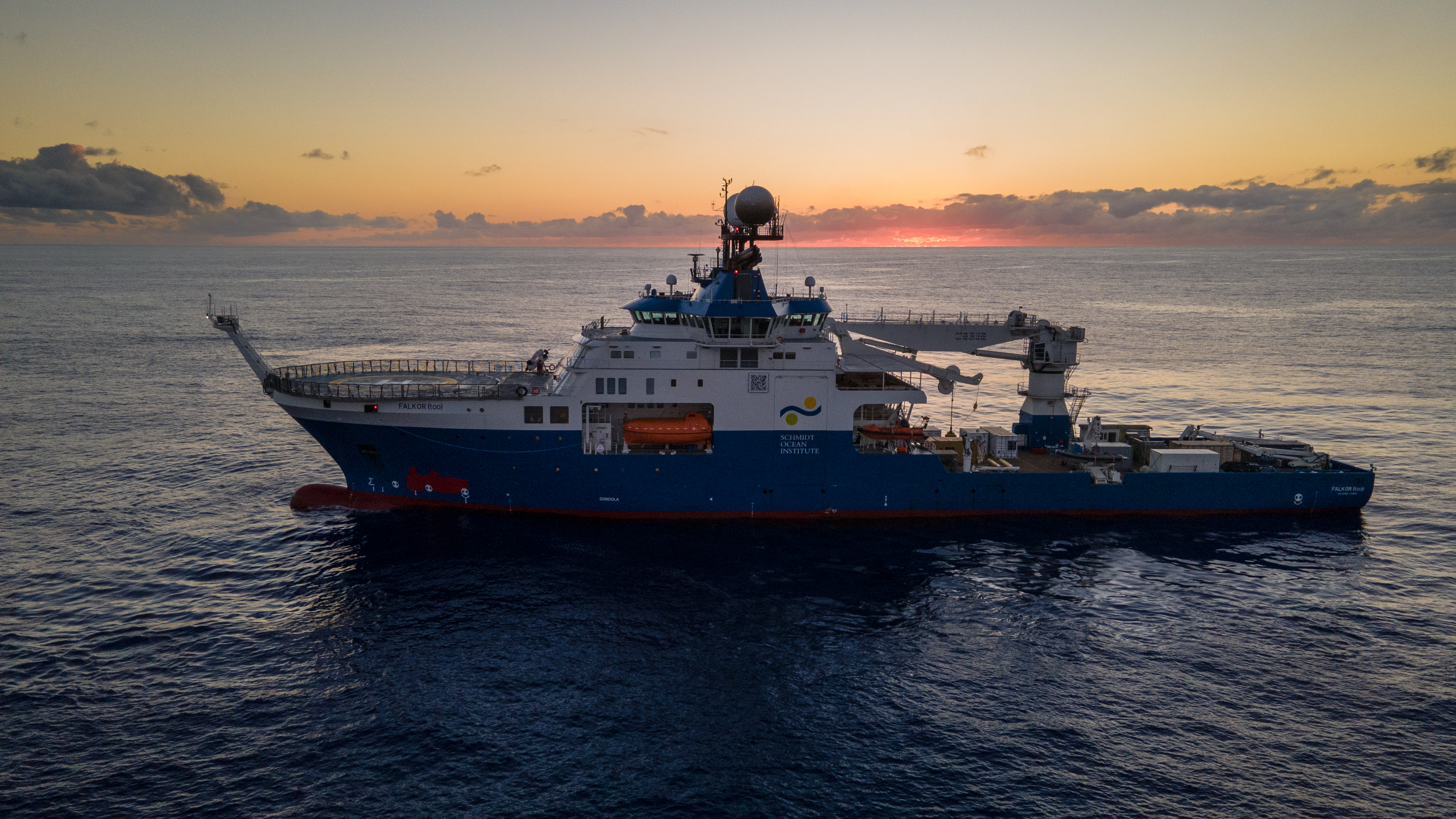
The expedition's goal was to find more vent fields like "Lost City" — the alkaline, carbonate-spire vents first discovered in 2000, formed not by volcanic heat but by a chemical reaction between seawater and exposed mantle rock called serpentinization. Scientists believe these vents may represent conditions similar to those that facilitated the origin of life on Earth, possibly on other planets too. Only a handful had ever been found.
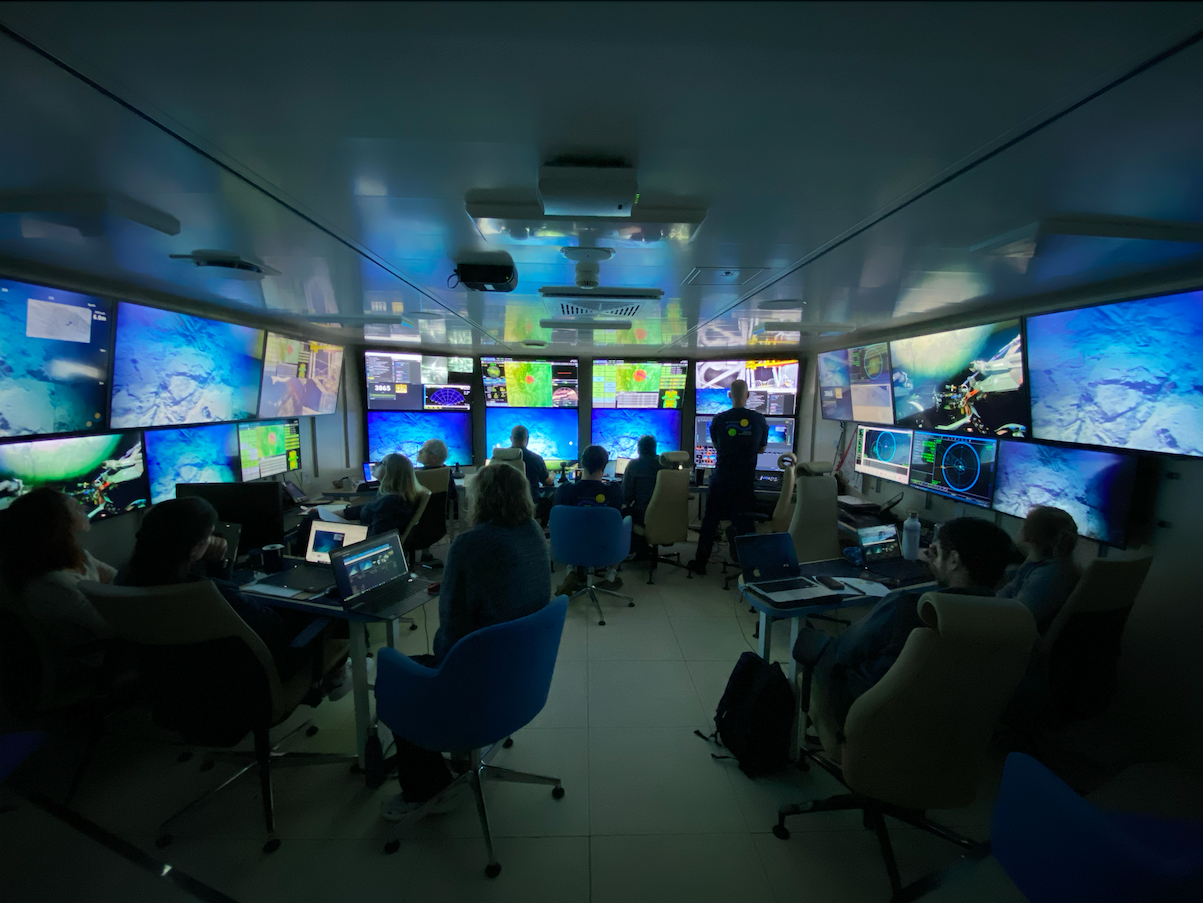
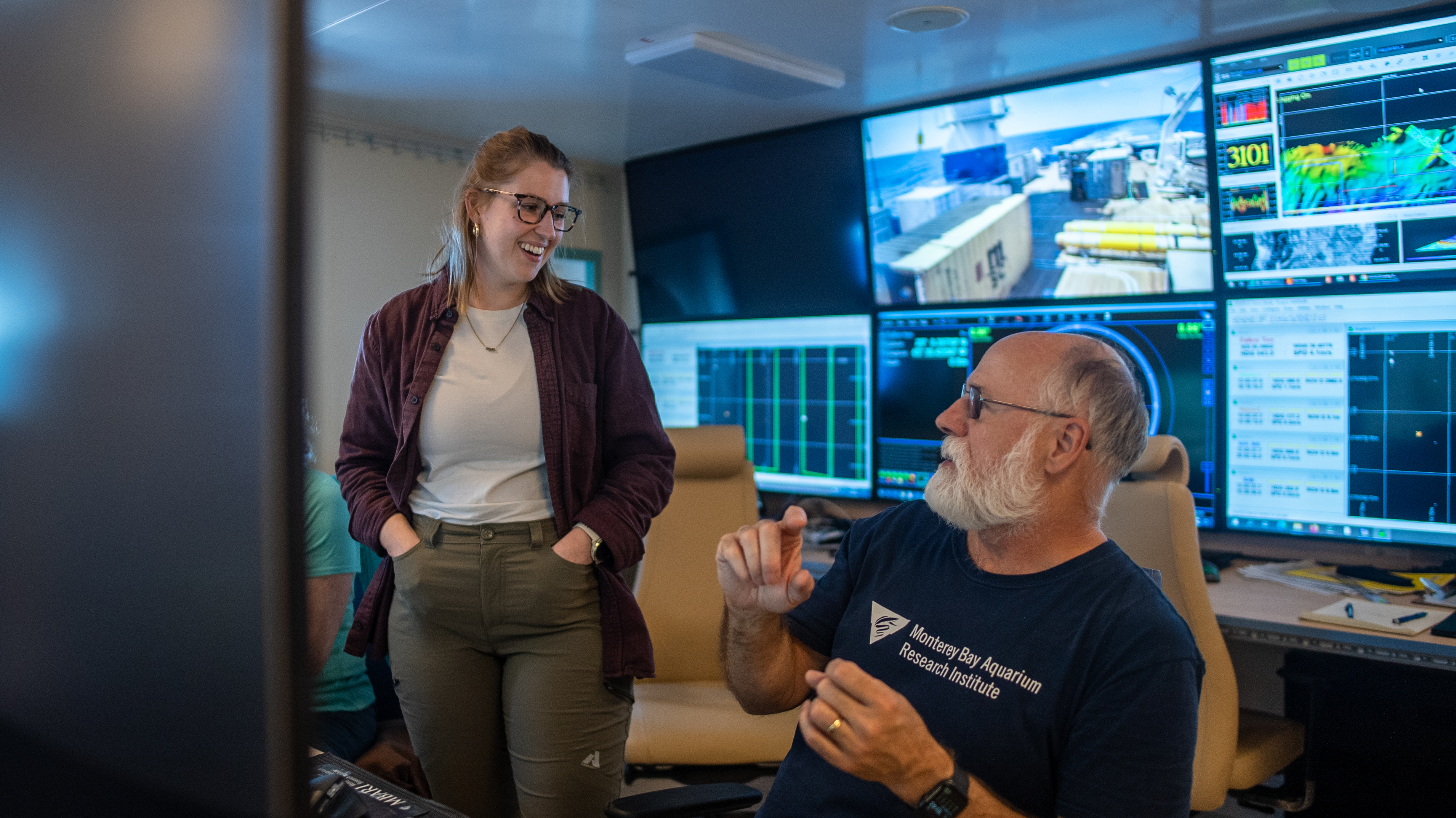
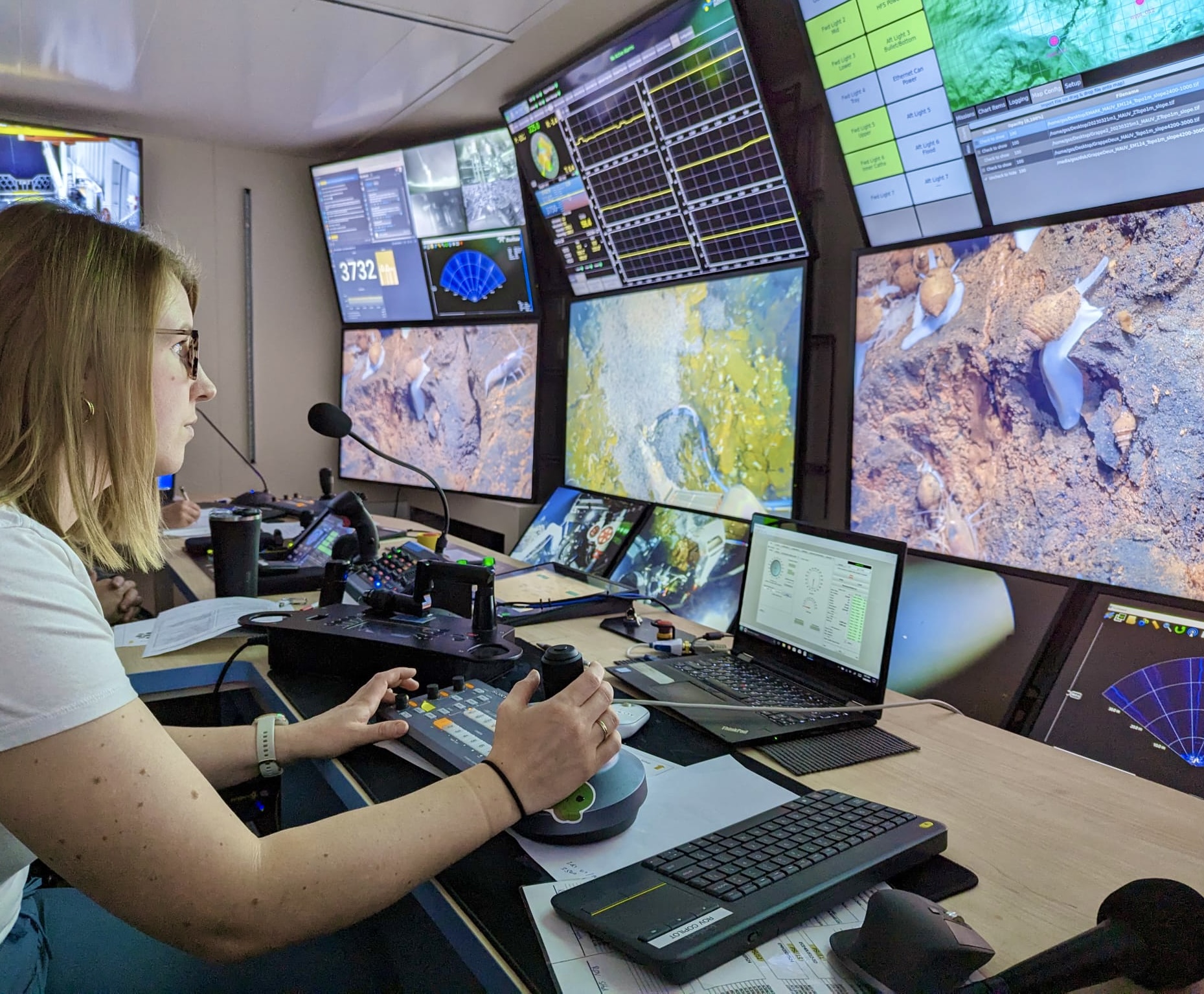
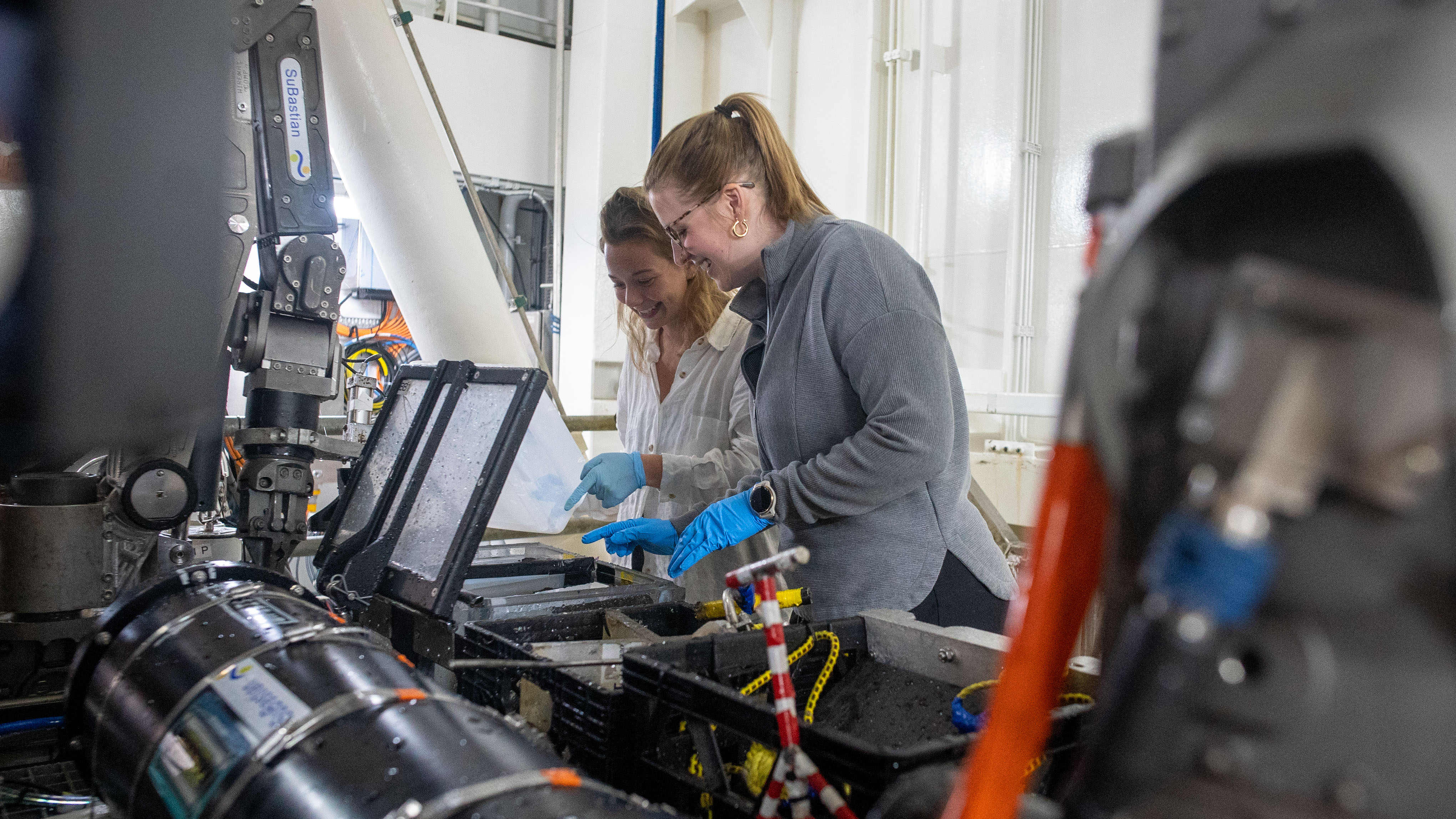
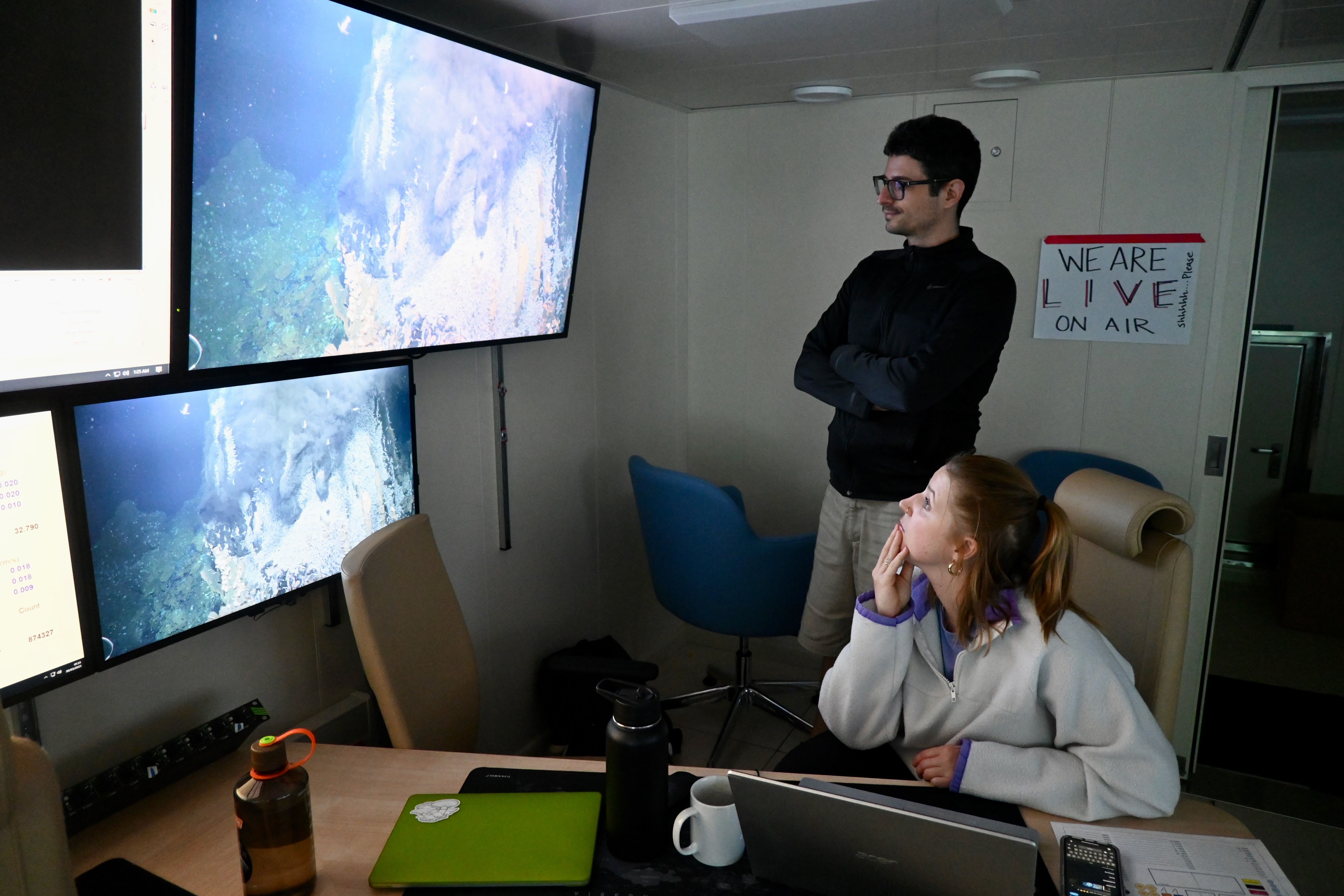
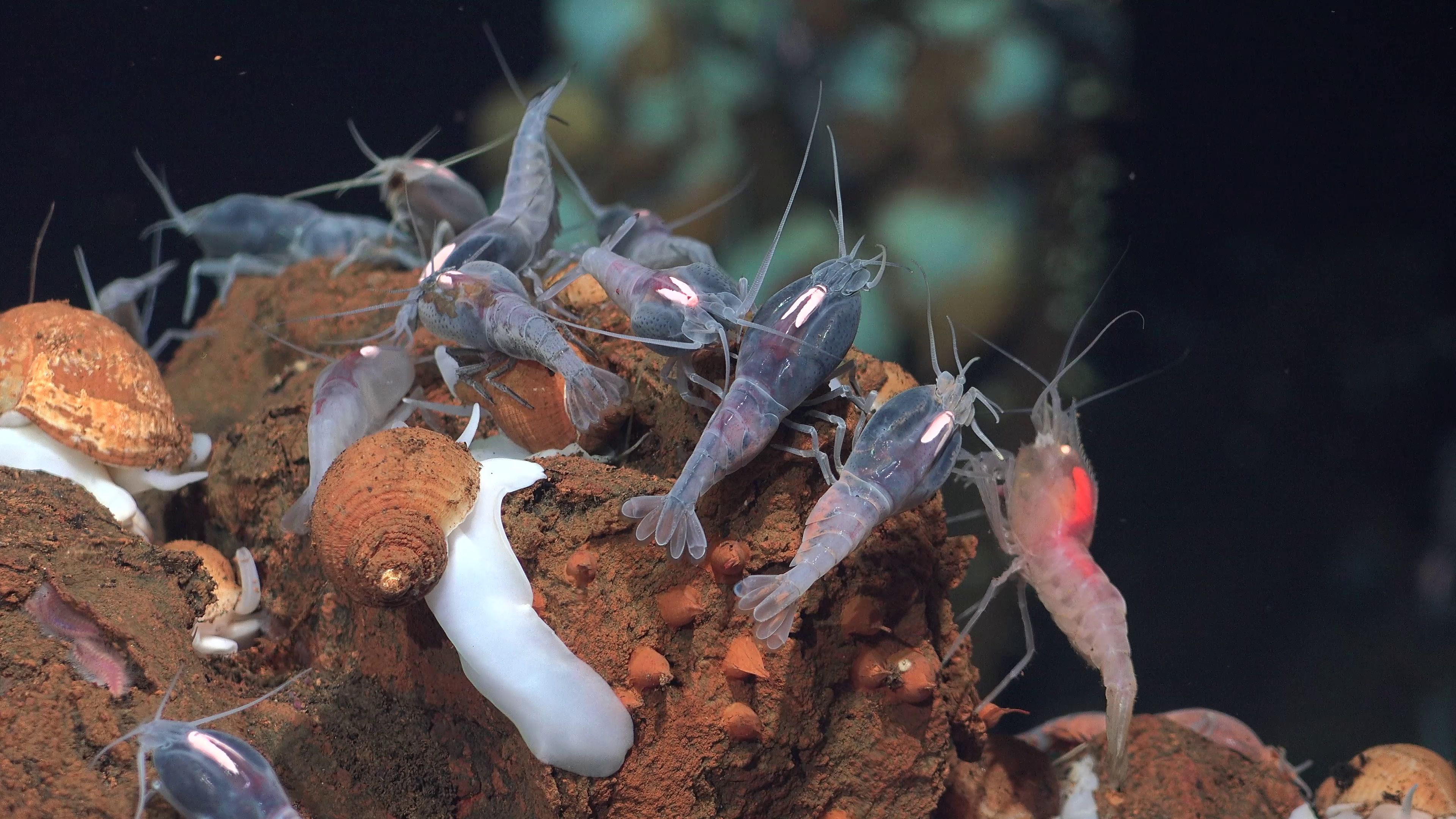
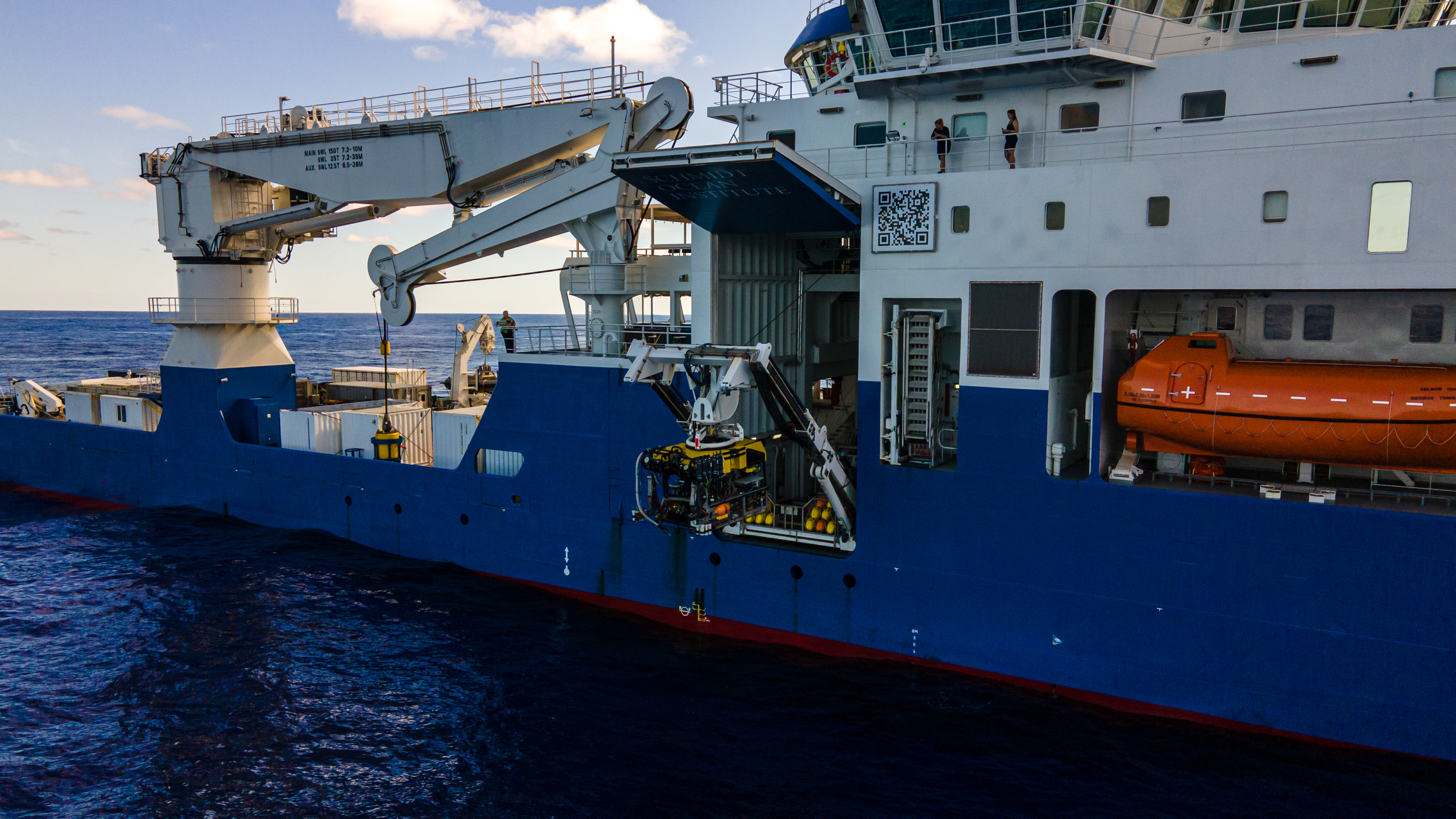
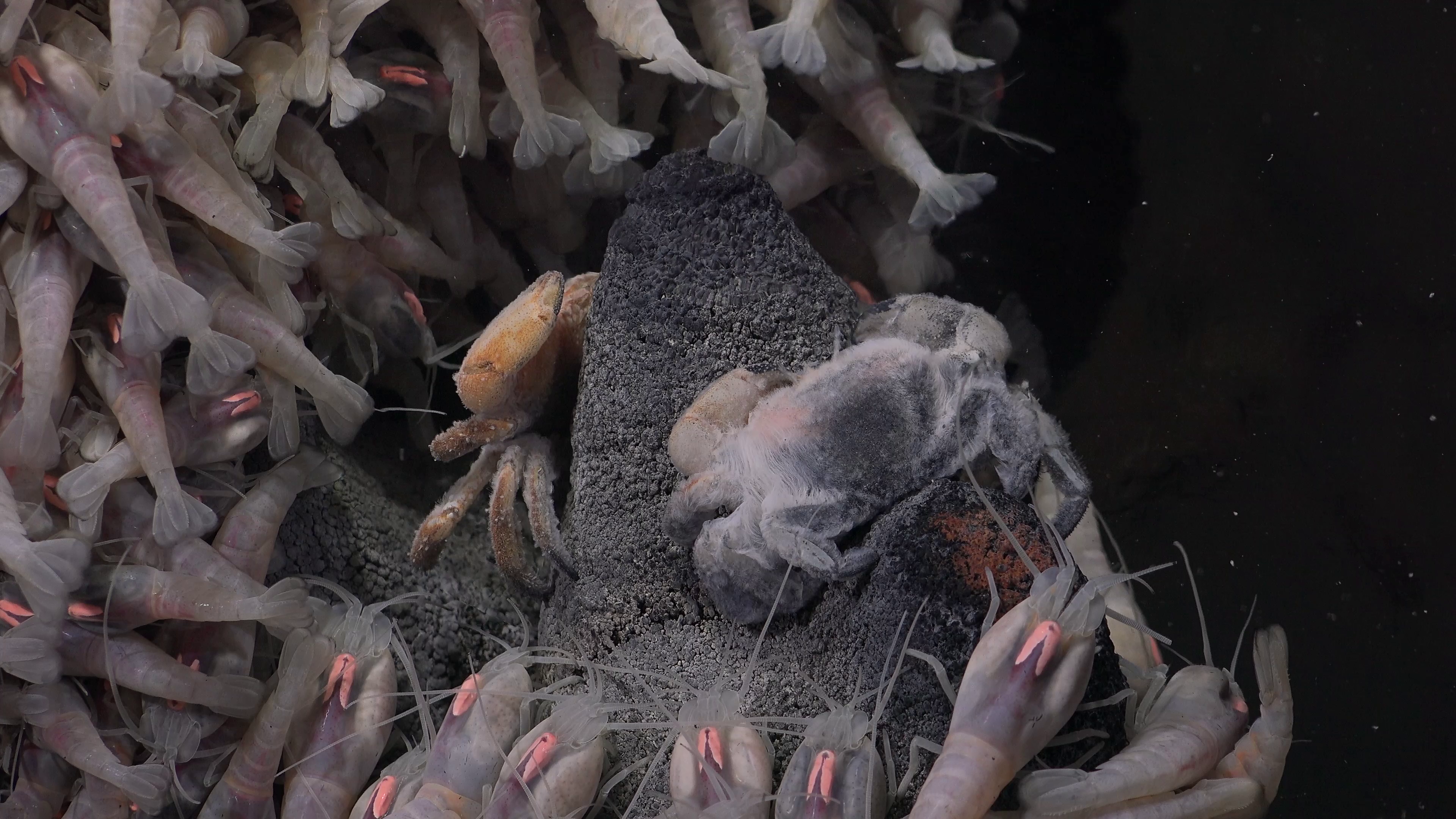
Using ROV SuBastian, we found three new black smoker vent sites — not the Lost City-type vents we were searching for, but a significant discovery in their own right. Dense communities of vent-specific fauna never before documented at these locations. I led the photogrammetry component, building 3D reconstructions of the vent structures from ROV imagery — baseline data that lets us track how these landscapes change over time.
"These vents may harbour chemistry closest to the conditions that sparked life on Earth."
While onboard, I communicated the discoveries in real time through X (formerly Twitter), reaching over 220,000 impressions — because discoveries like this deserve to be shared as they happen.
An international research expedition on the Canadian Coast Guard Science vessel CCGS Tully, focused on the Northern Cascadia Subduction Zone. My primary role was collecting high-resolution multibeam and echosounder seafloor mapping data — with some invertebrate identification from core samples on the side.
The Cascadia Subduction Zone — where the Juan de Fuca Plate slides beneath North America — shapes everything from the region's earthquake risk to its deep-sea habitats. This expedition collected high-resolution seafloor mapping data and benthic core samples, giving us a clearer picture of what lives on and in the sediment of this dynamic system.
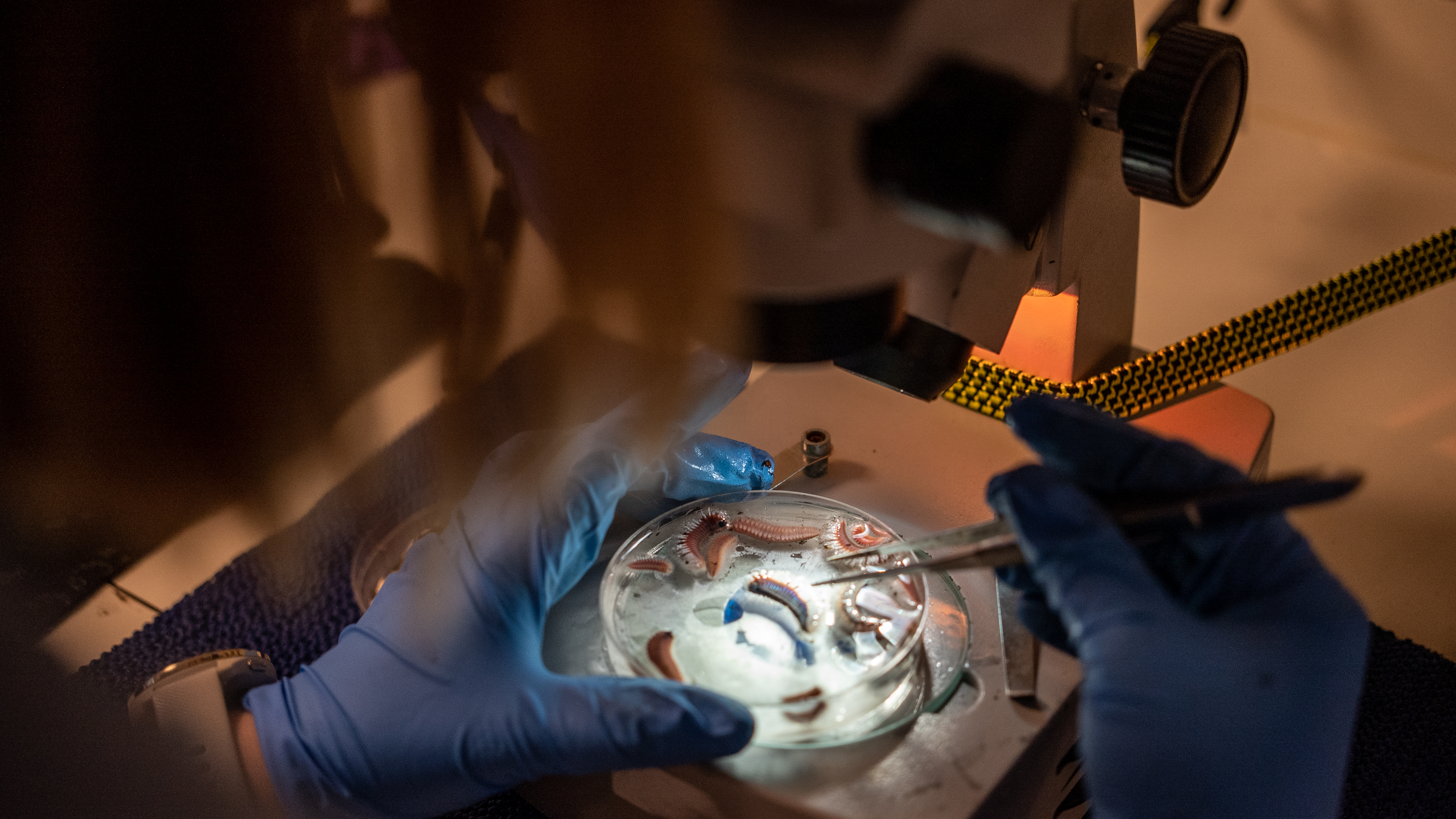
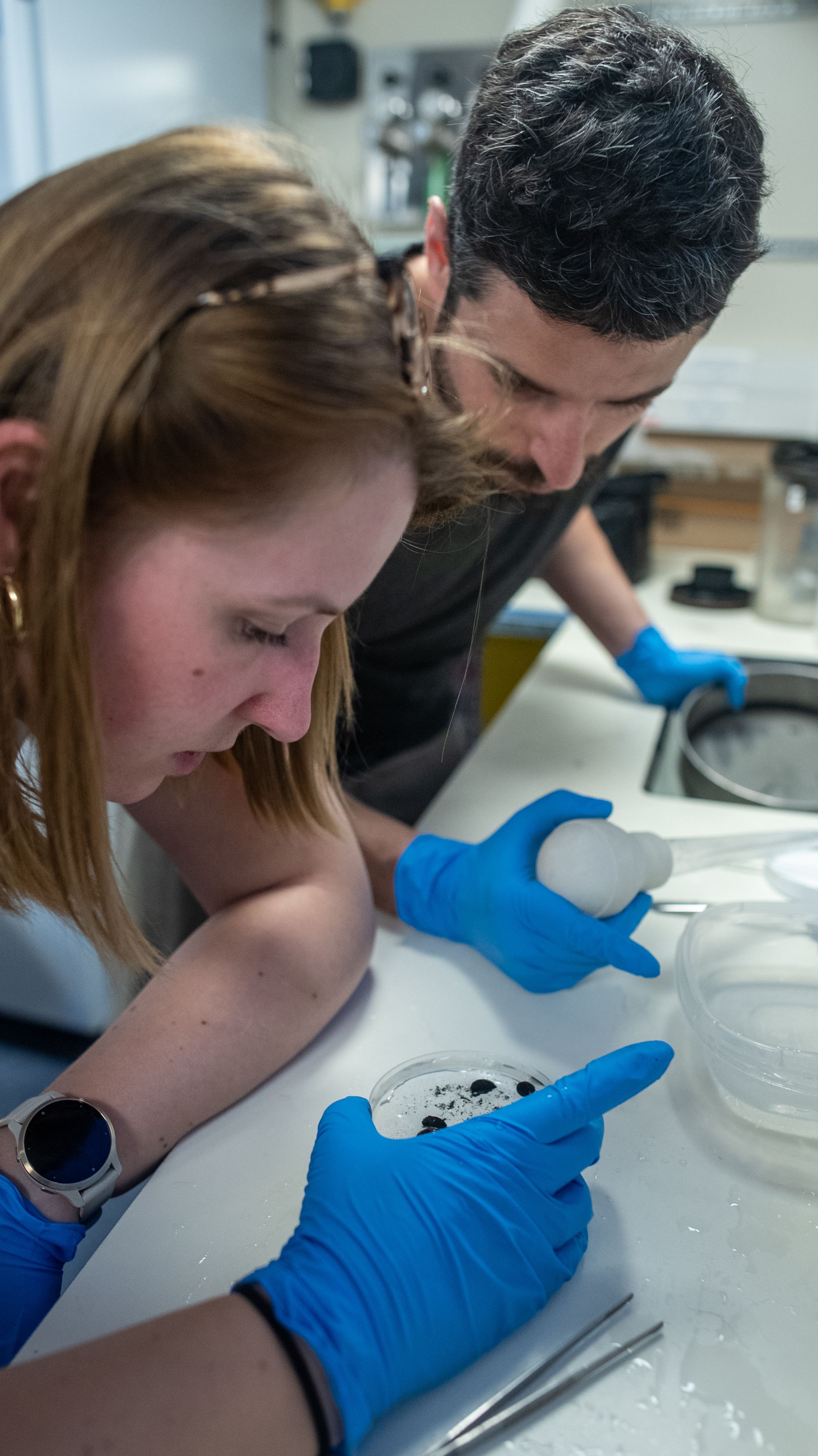
My primary role was collecting multibeam and echosounder data — high-resolution seafloor mapping that captures the topography and physical structure of the subduction zone. I also helped with benthic invertebrate identification from core samples. This kind of foundational data — from places that are rarely visited — is what makes future monitoring and modelling possible.
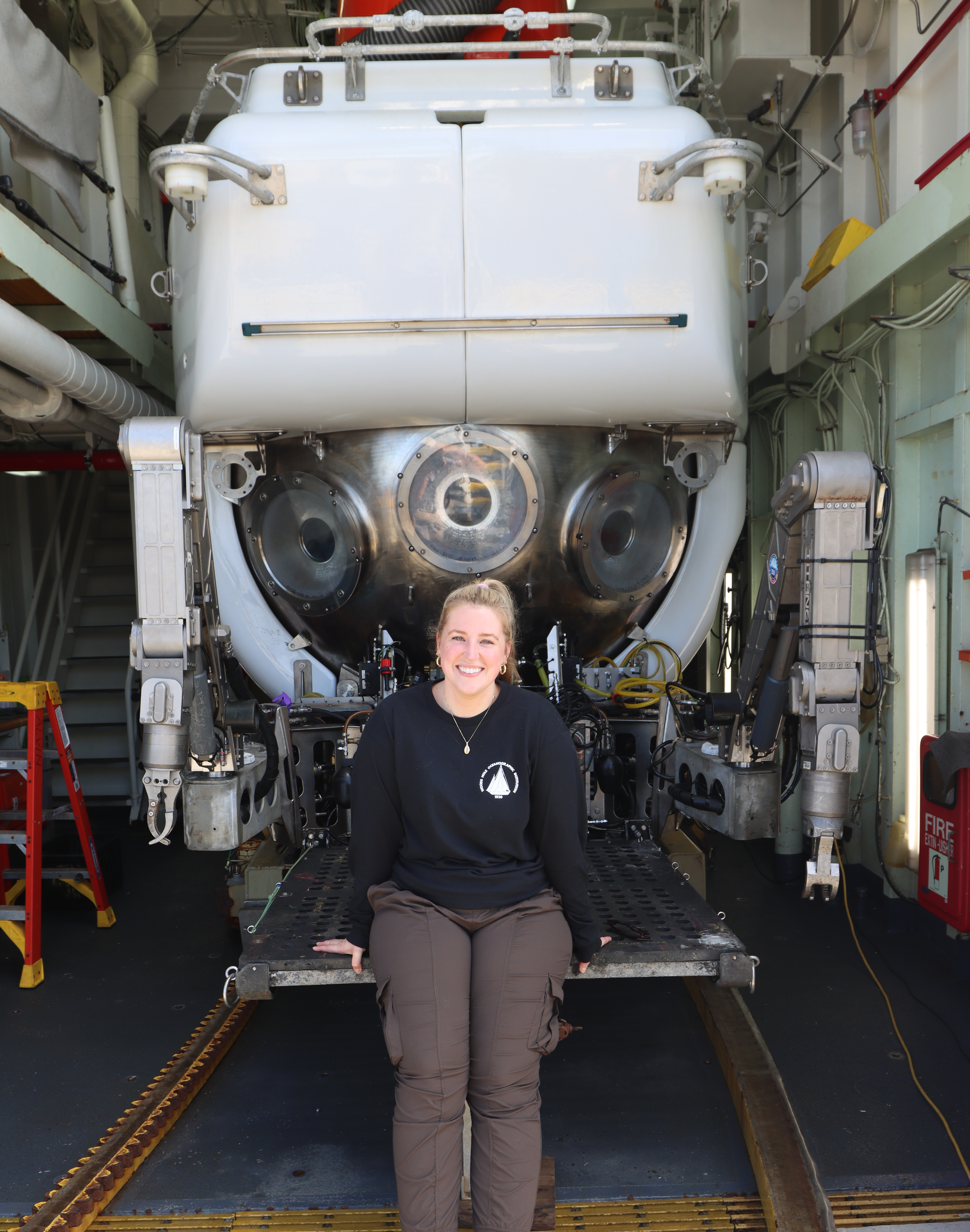
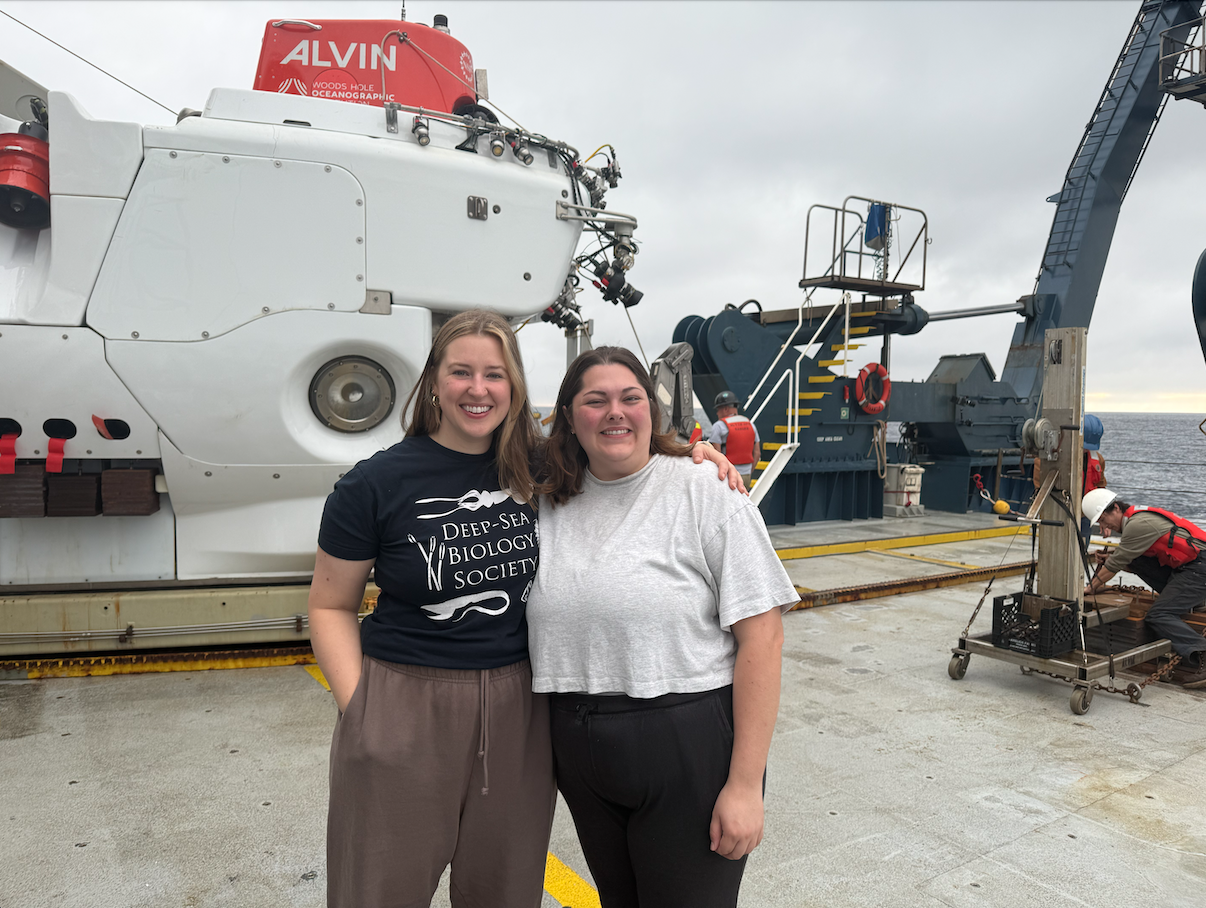
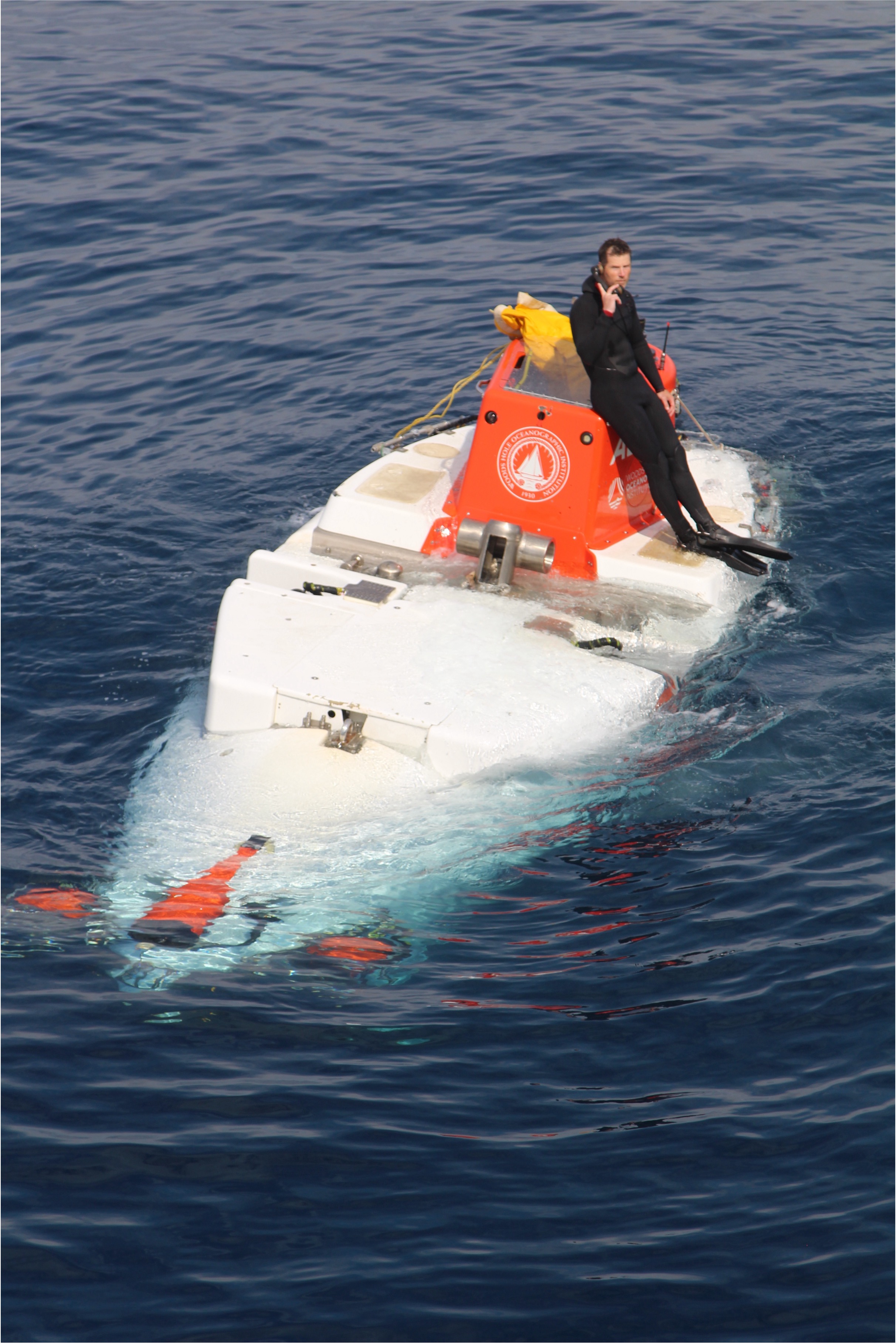
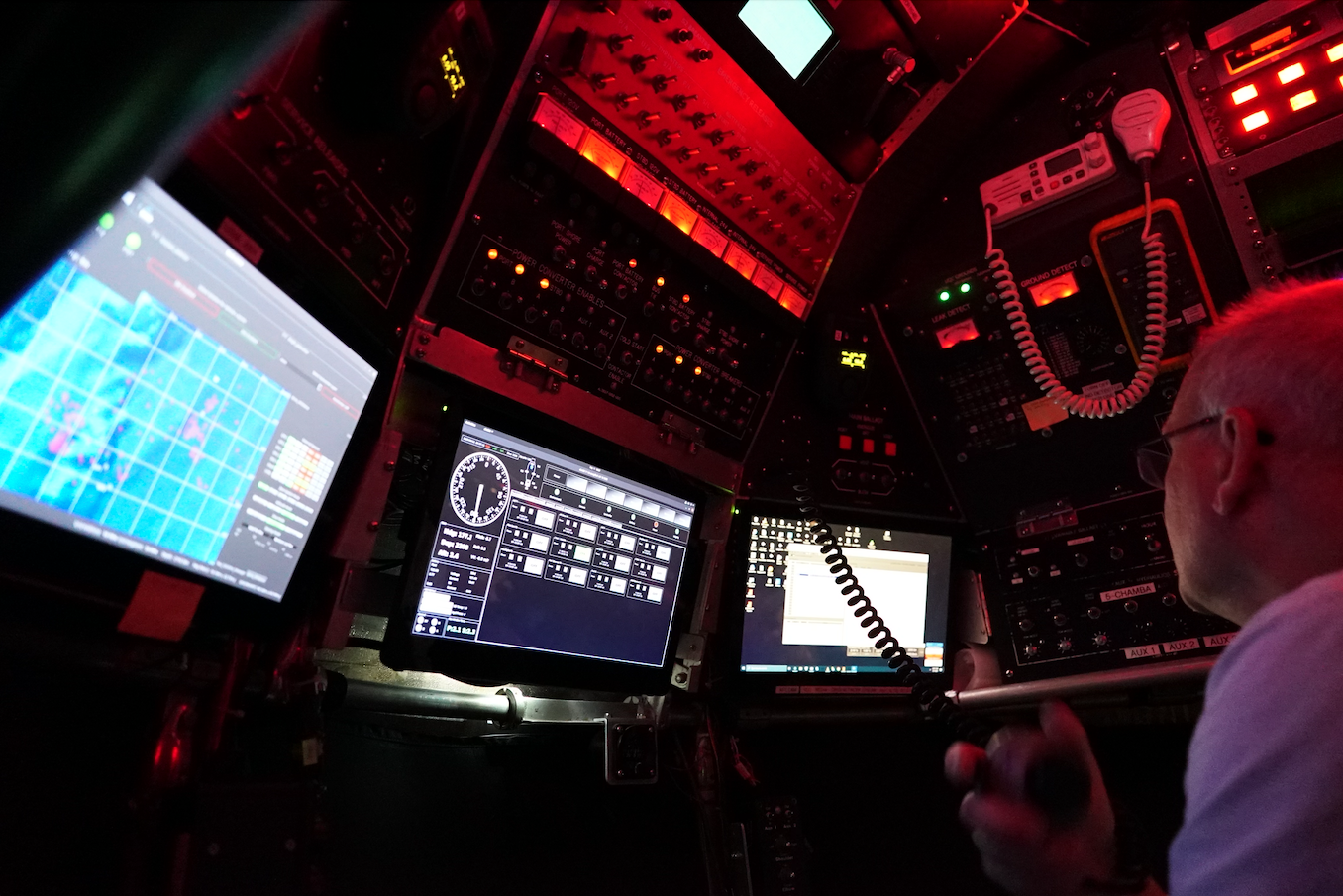
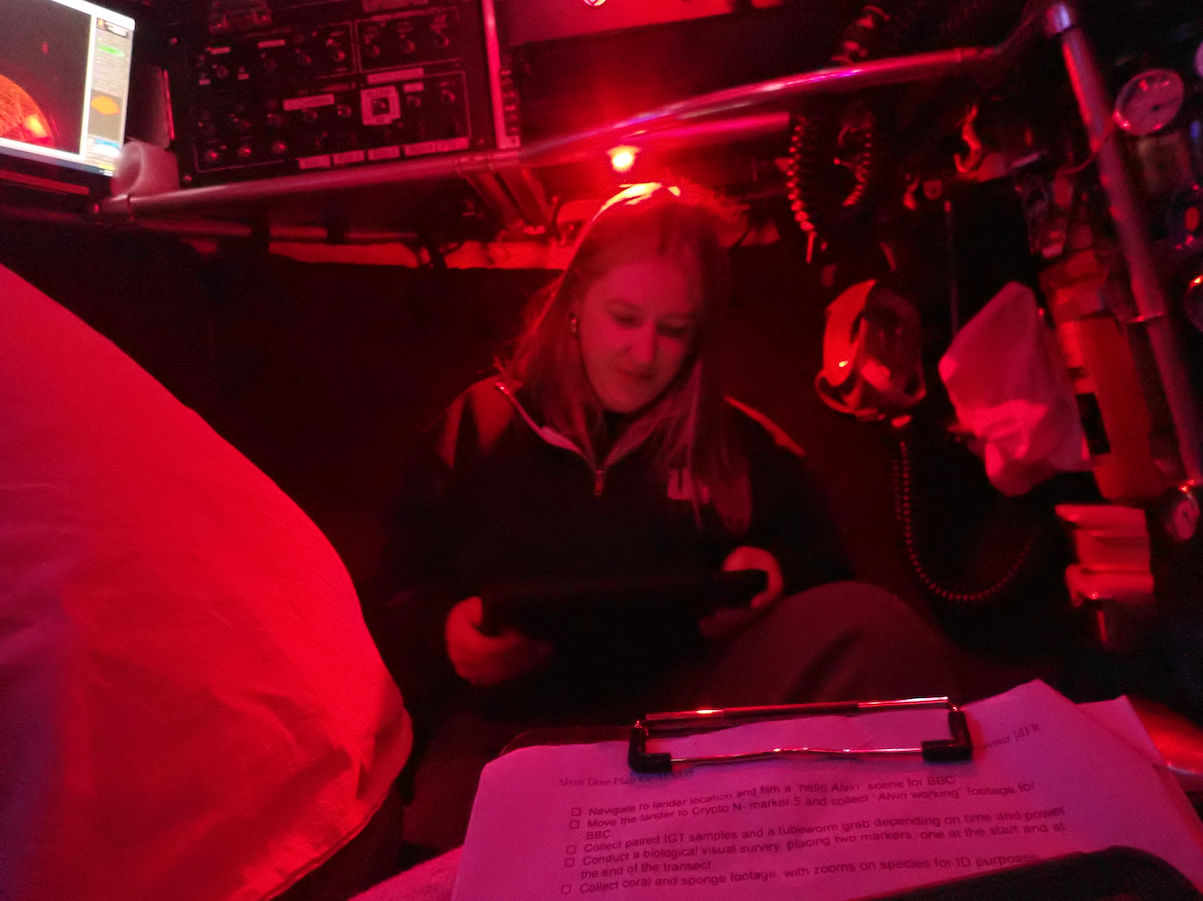
DSV Alvin is one of the most iconic submersibles in the history of ocean science — the vehicle that found the Titanic, discovered hydrothermal vents for the first time, and carried hundreds of scientists to the deep seafloor over five decades. In 2025, I dove in Alvin to establish a long-term monitoring transect for deep-sea corals and sponges.
The transect will serve as a baseline for tracking how these communities change as ocean temperatures shift and oxygen levels decline — exactly the kind of long-term data that adaptive management of deep-sea MPAs depends on.
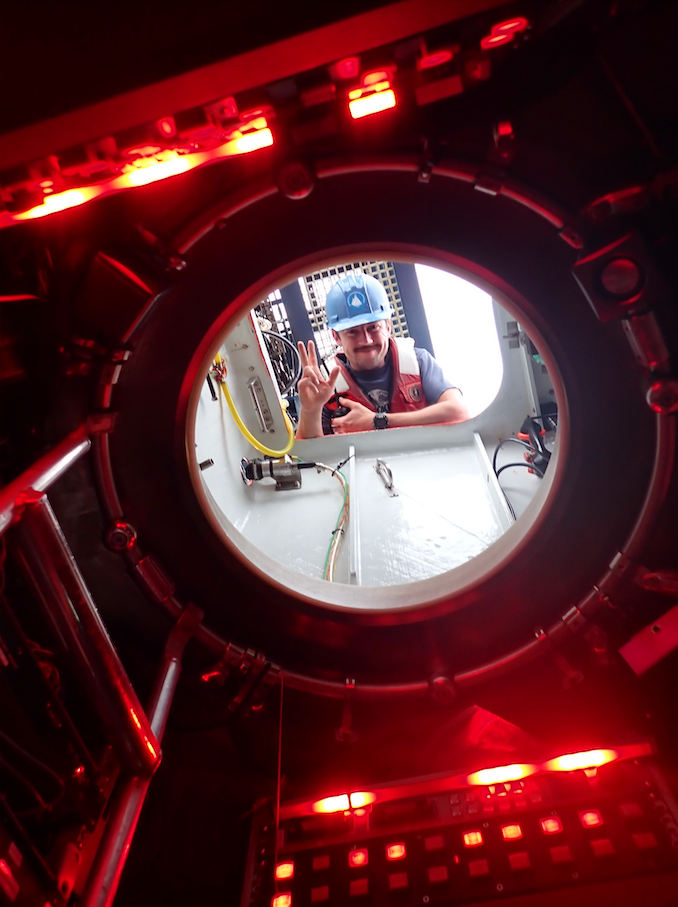
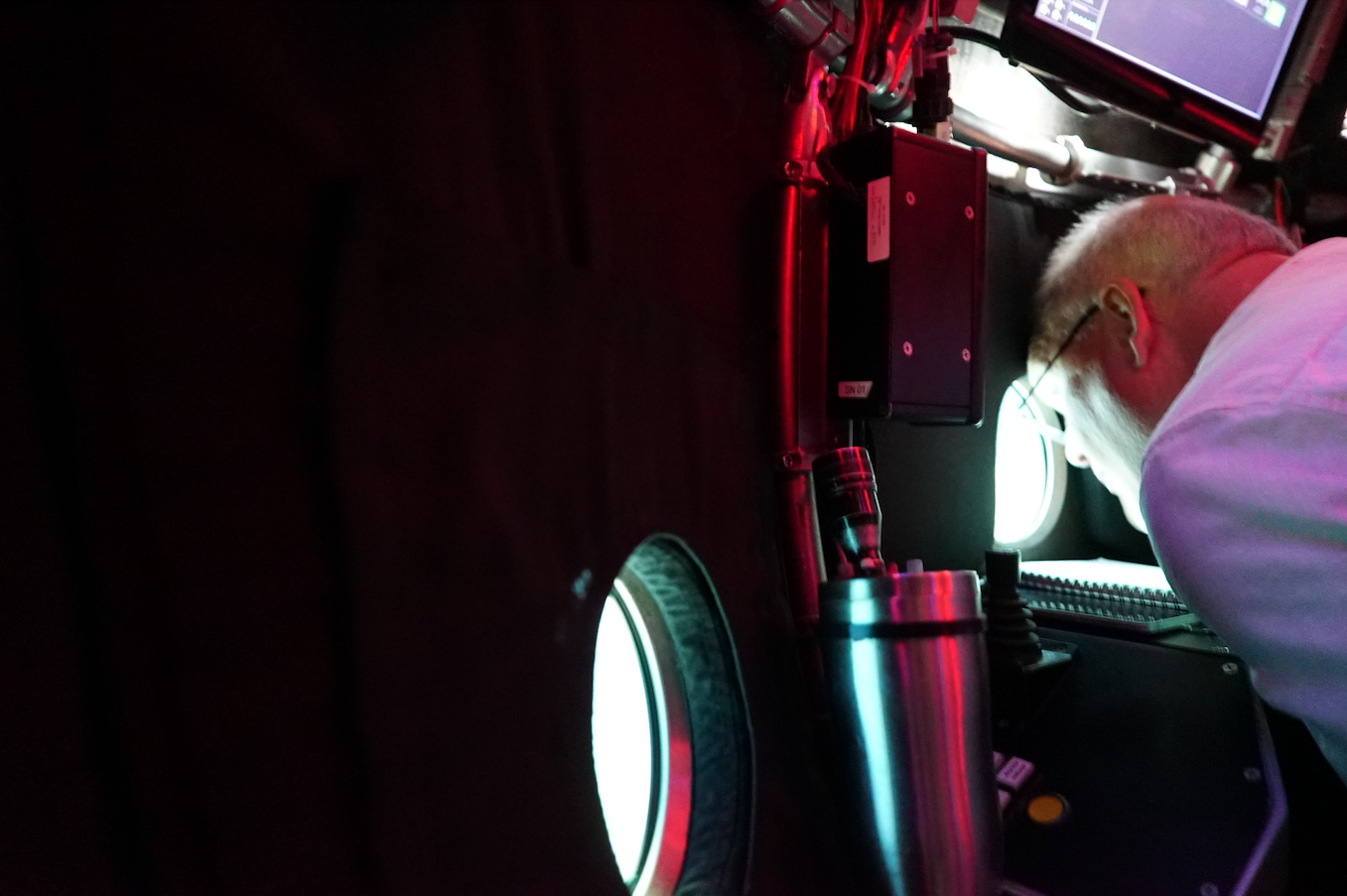
Descending in Alvin takes over an hour. The light goes slowly — reds first, then everything else, until there's nothing left but the deepest blue and then dark. And then the bioluminescence starts. As we moved downward, flashes of light streaked past the windows — it looked like fireworks going upward, though really it was us moving through them. Creatures you can't even name, lighting up as the sub passed. It was magic. By the time you reach the bottom, you're in a world lit only by those flickers and the sub's floodlights. The scale of it is hard to describe.
The work I was doing — laying out a permanent transect that other researchers will return to in years and decades — carries a particular weight when you're actually sitting on the seafloor doing it. You're making a mark that's meant to outlast the expedition.
"Surreal is the only word for it. After years of studying the deep sea, suddenly it was right outside my window."
A permanent monitoring transect established on the seafloor — a baseline for tracking how deep-sea coral and sponge communities change as ocean conditions shift over years and decades.
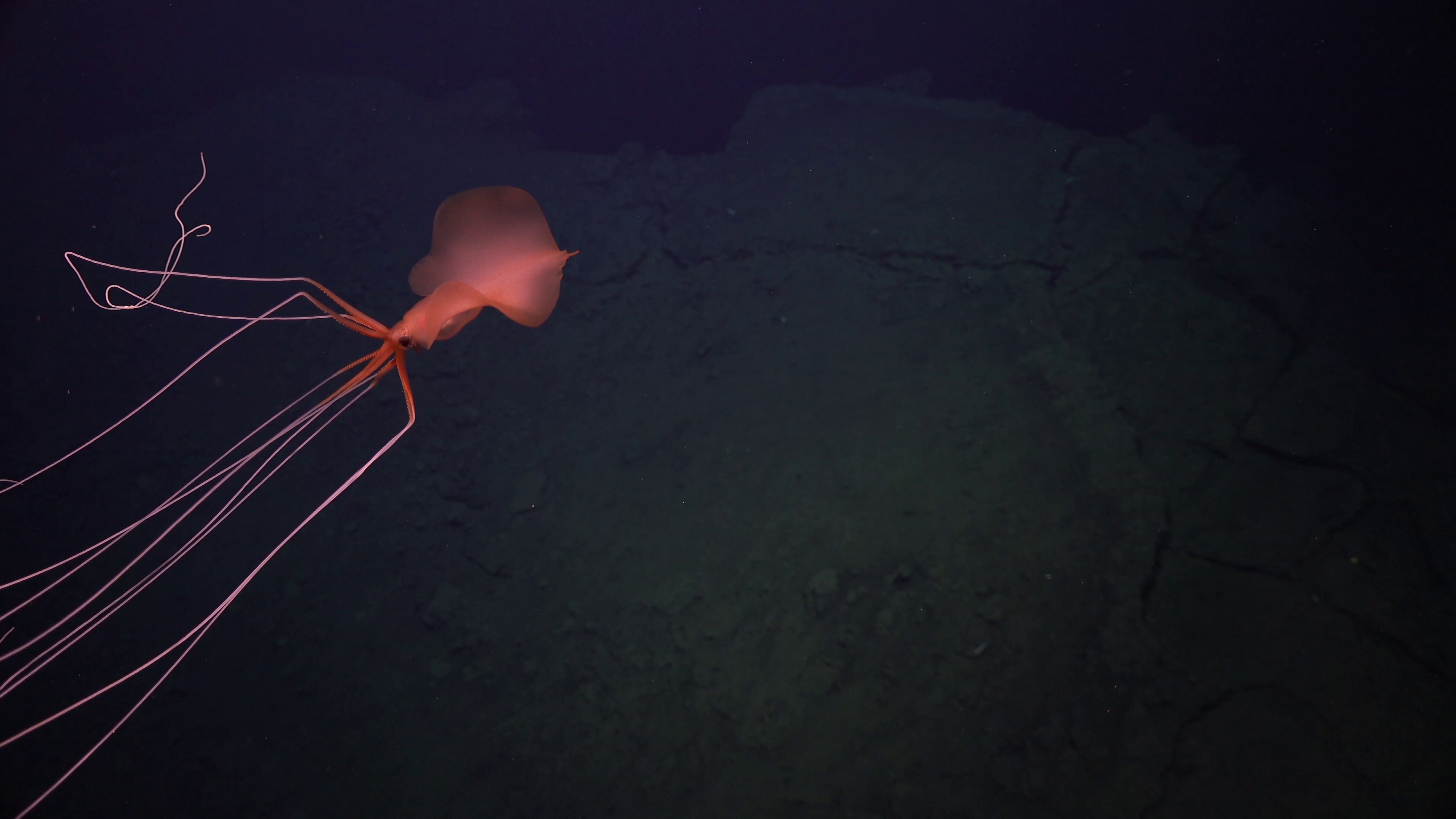
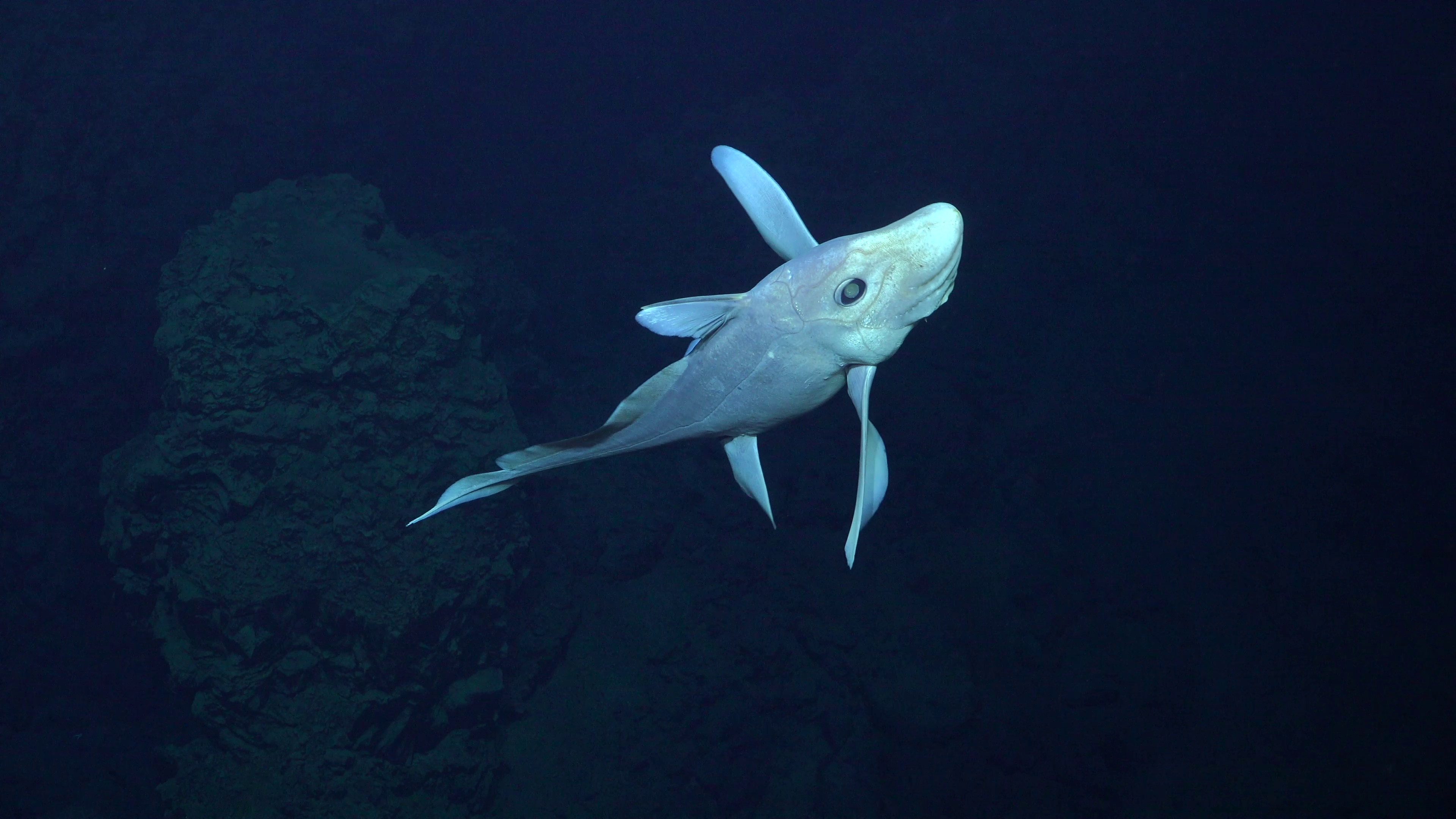
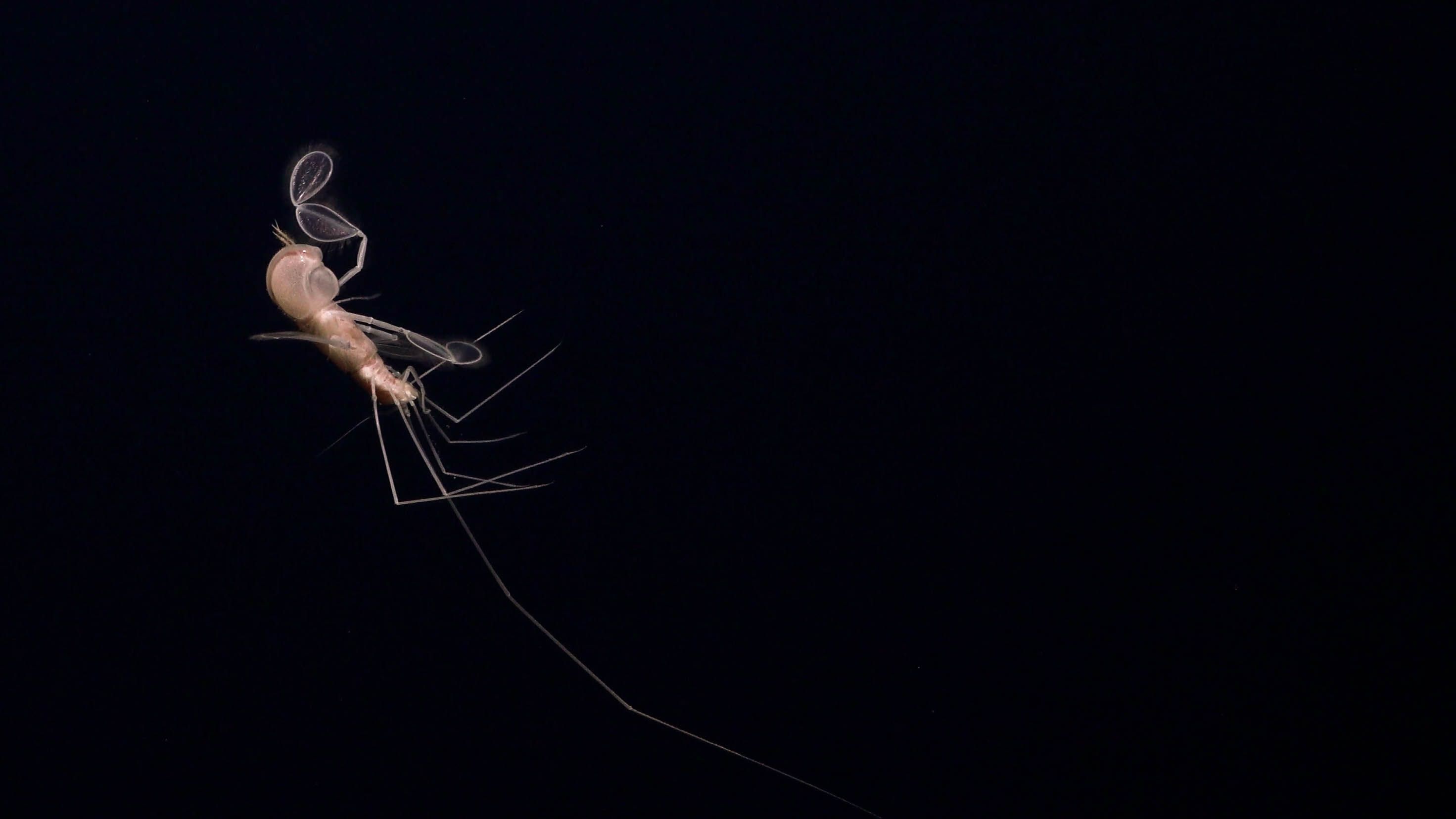
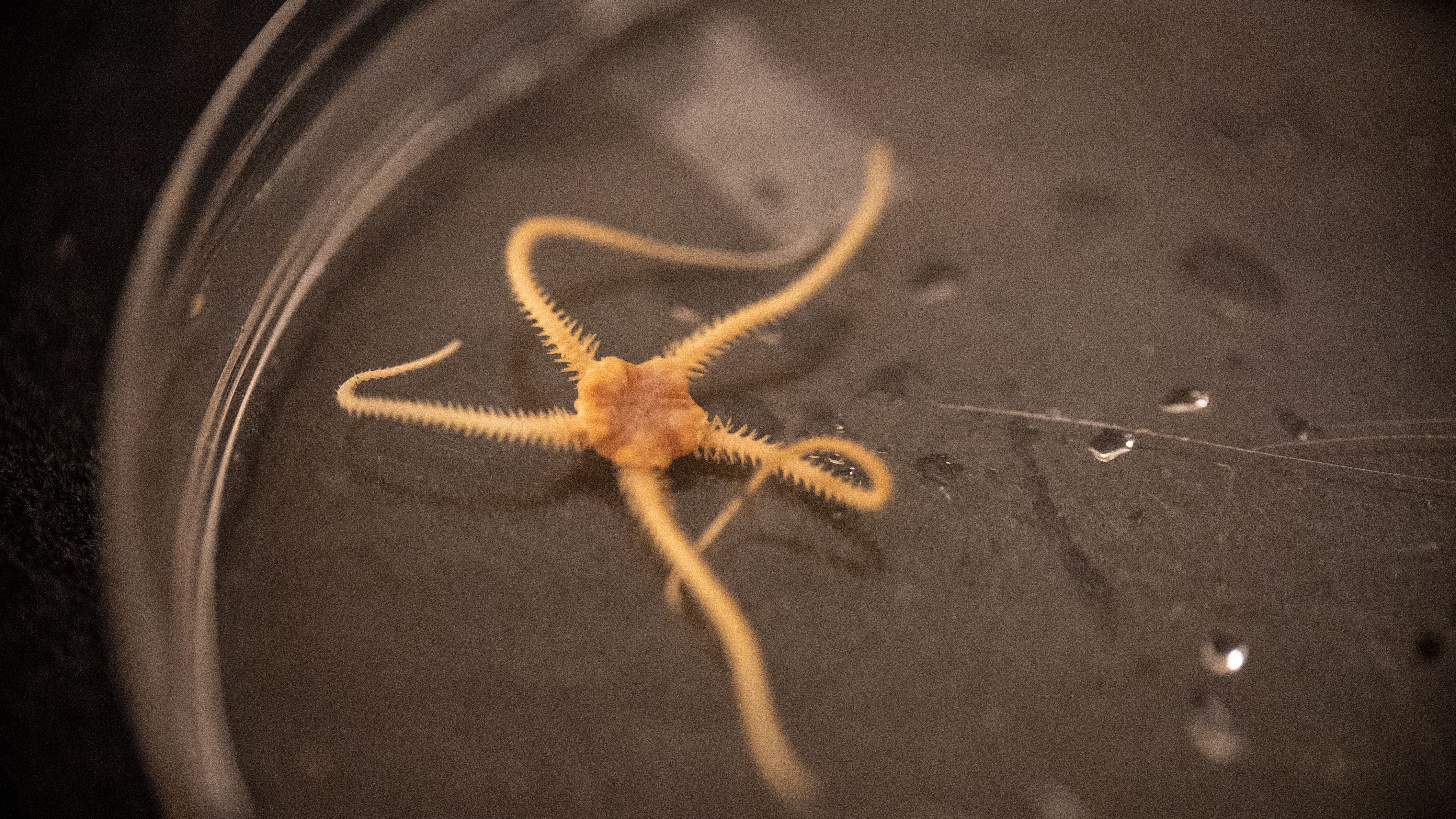
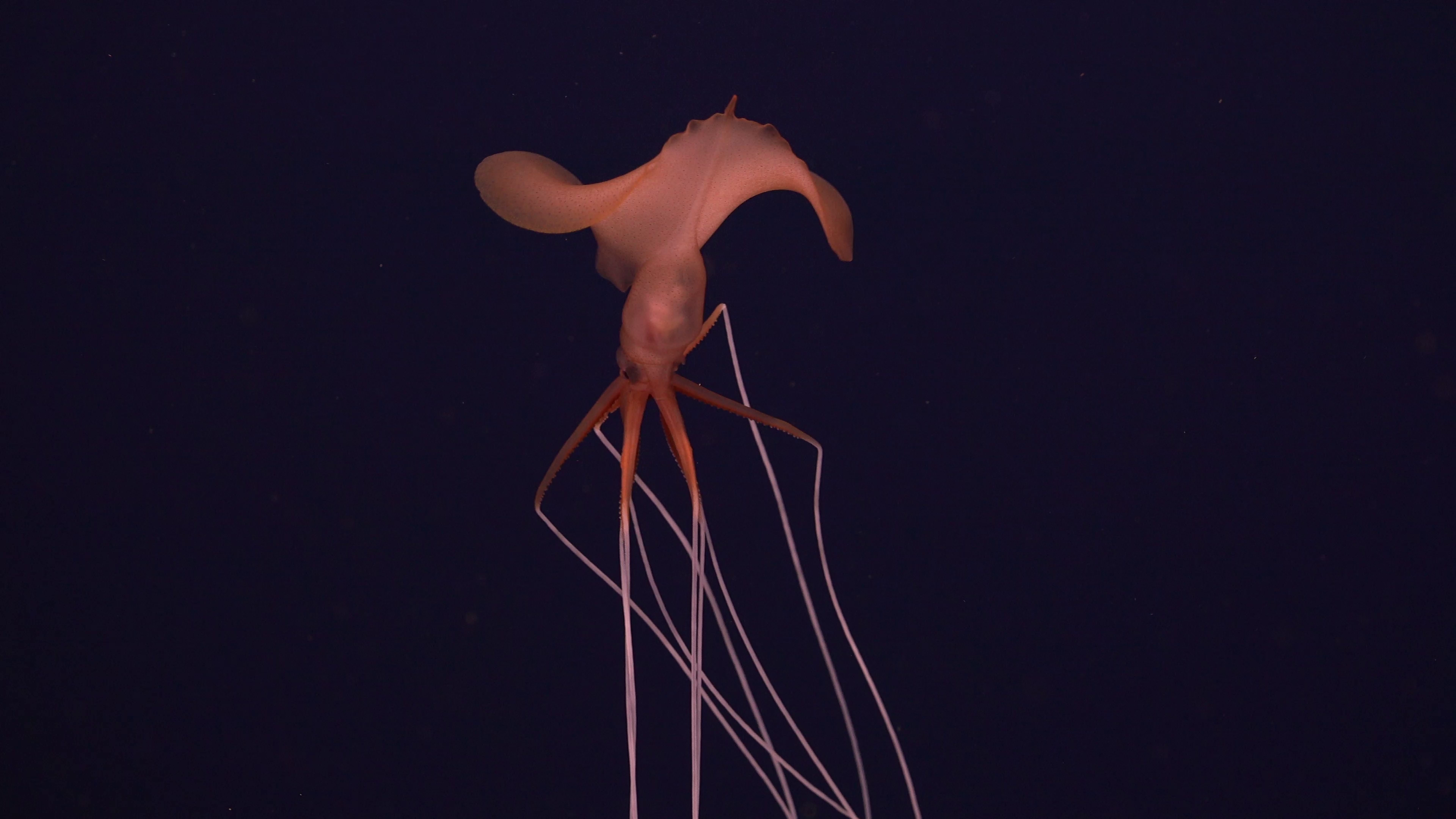
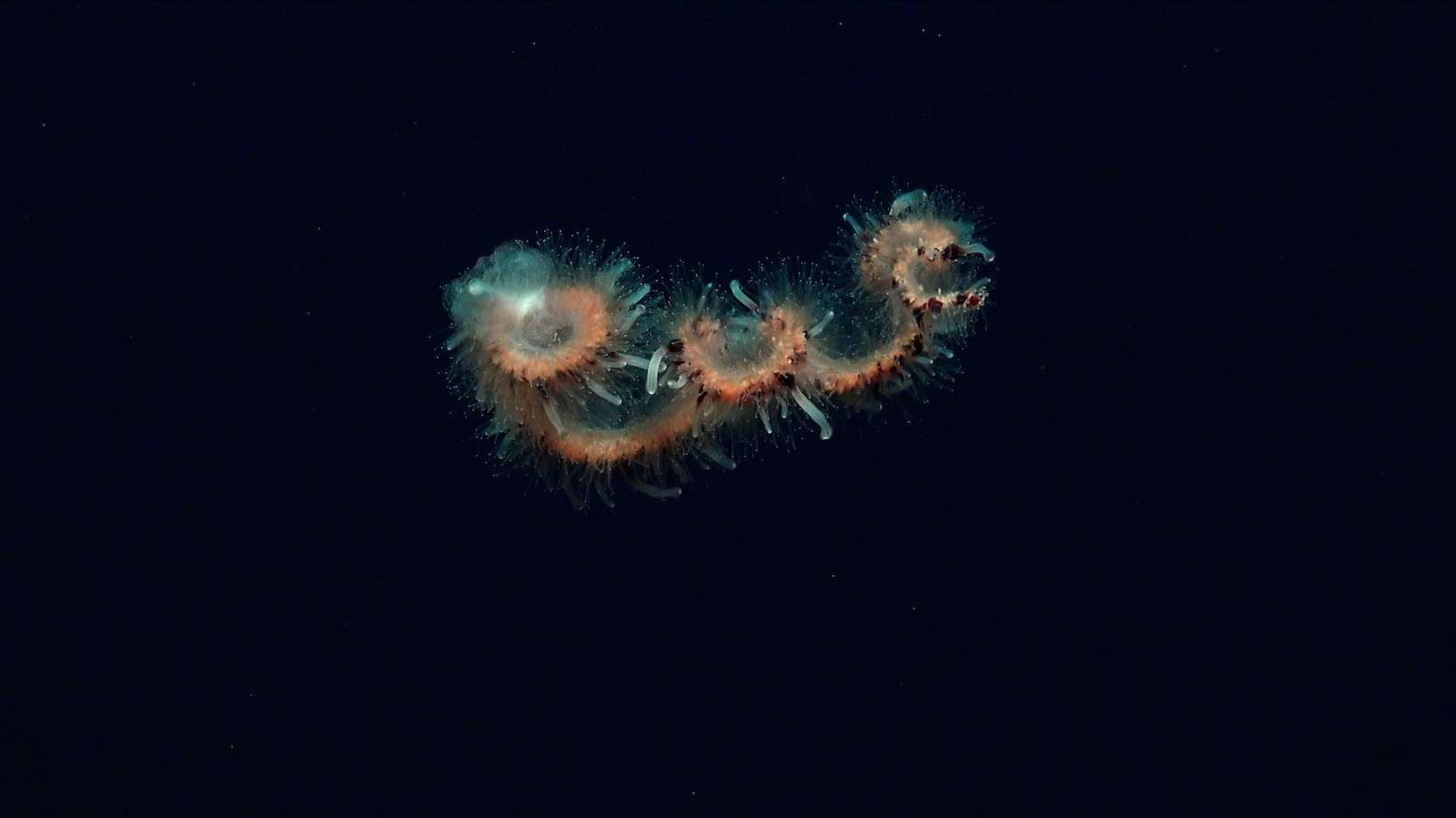
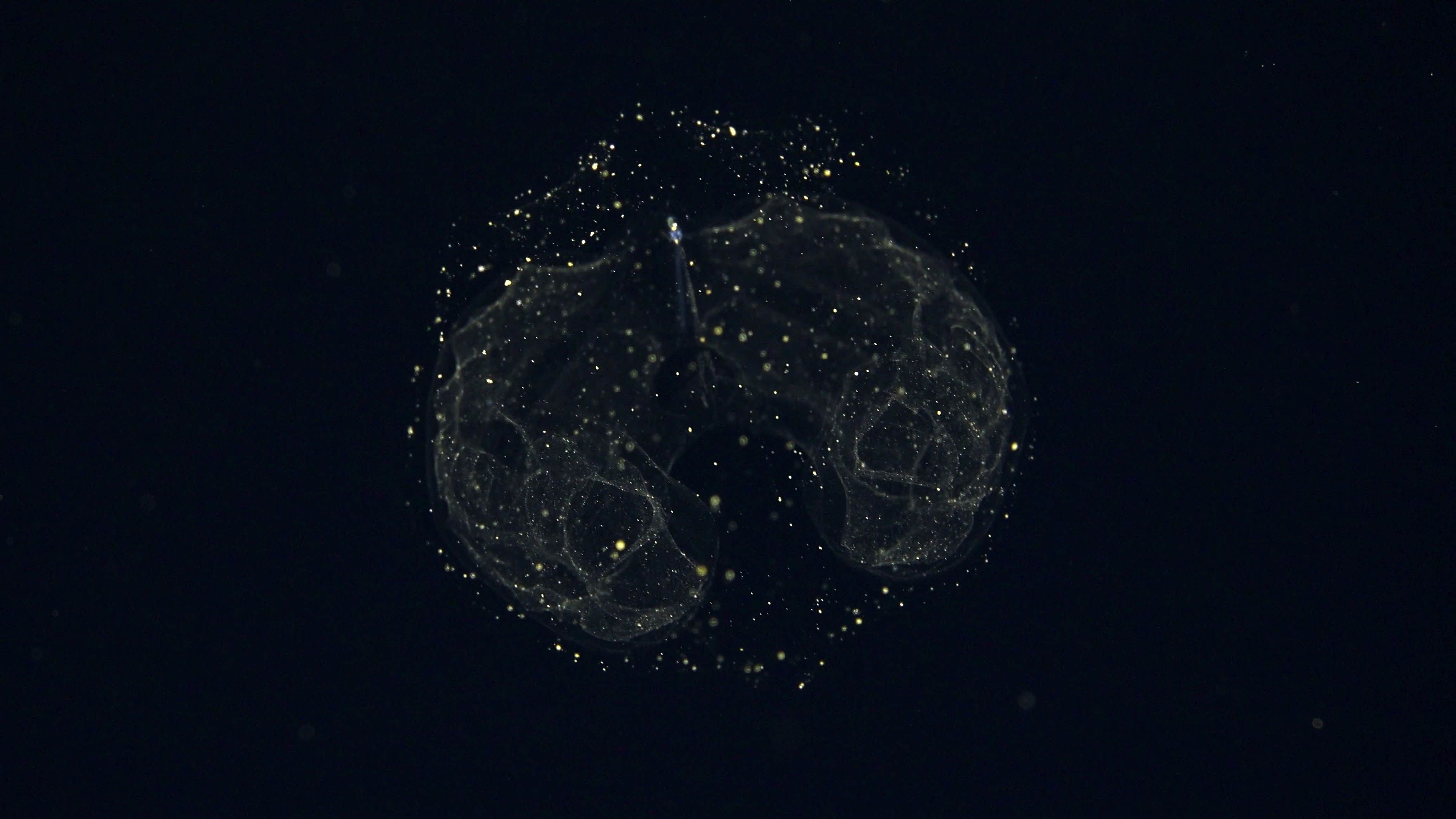
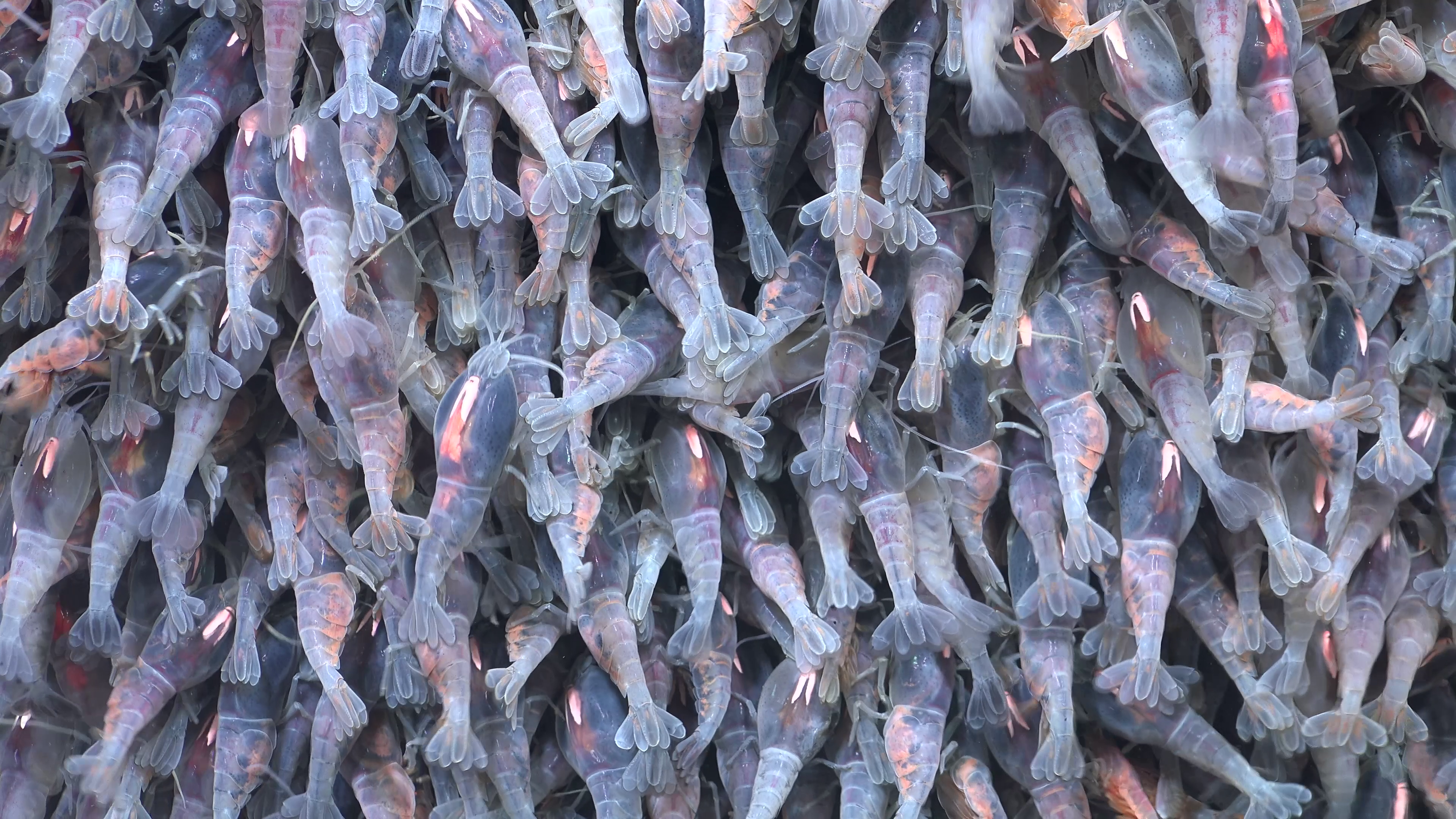
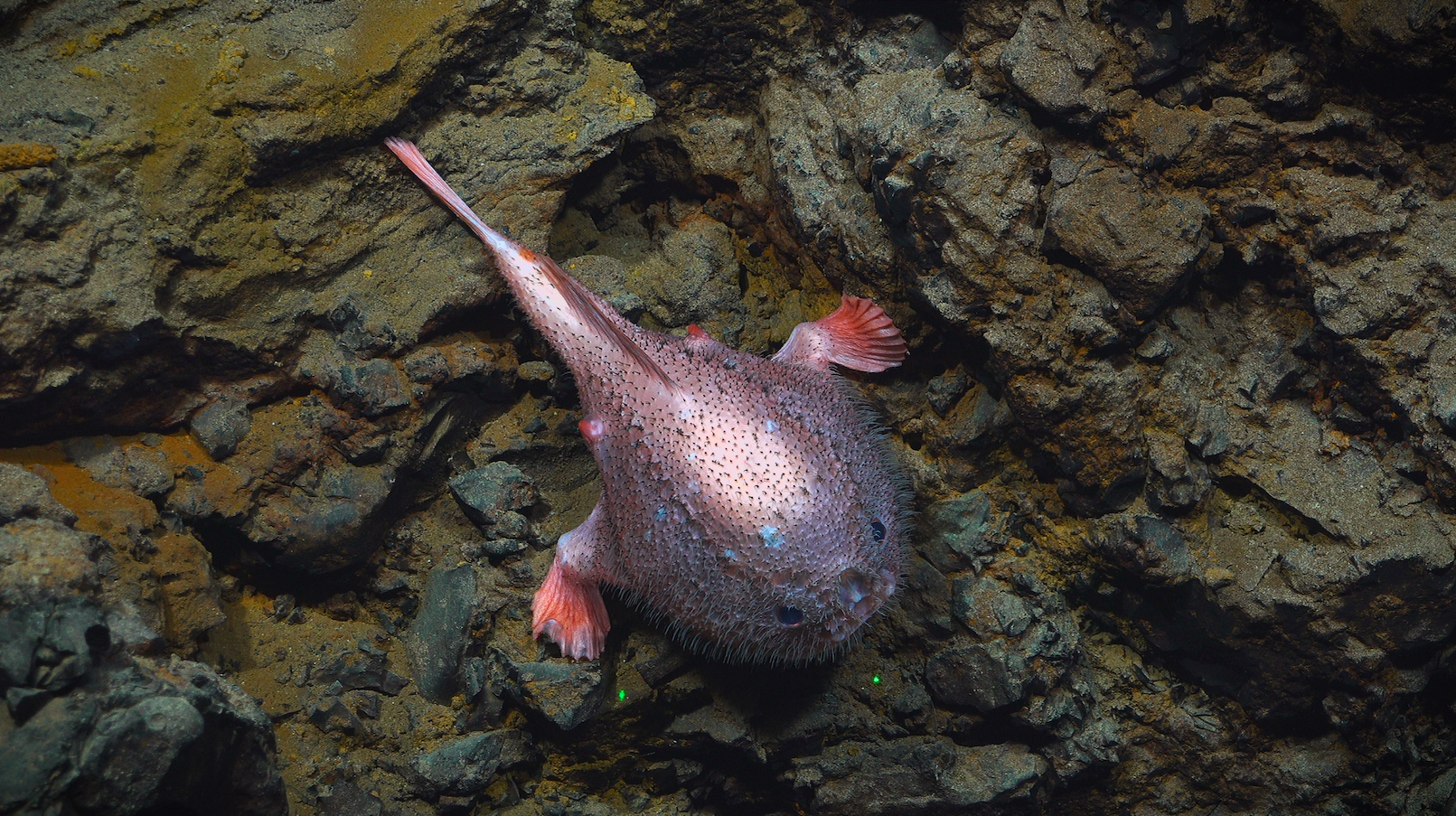
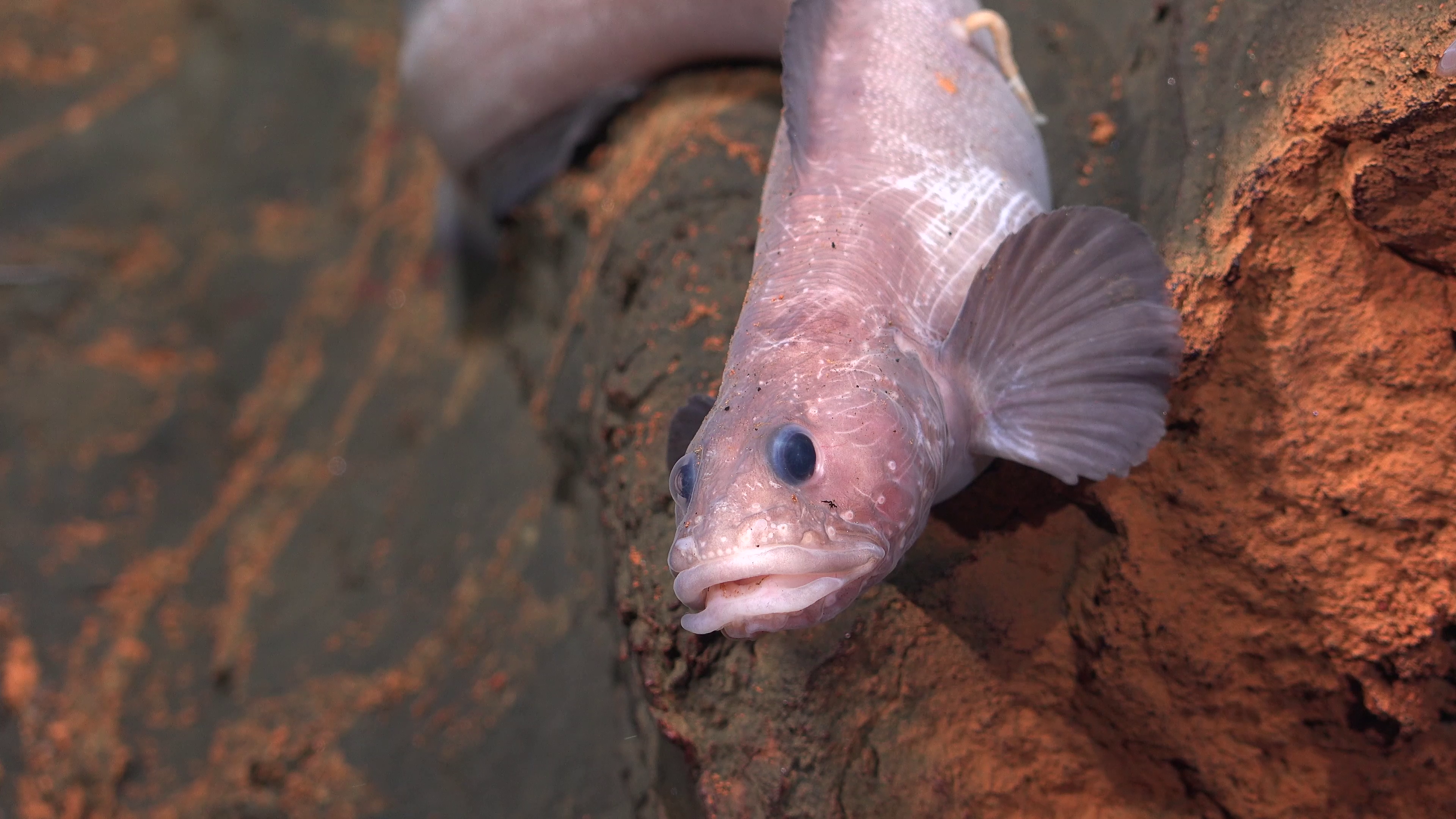
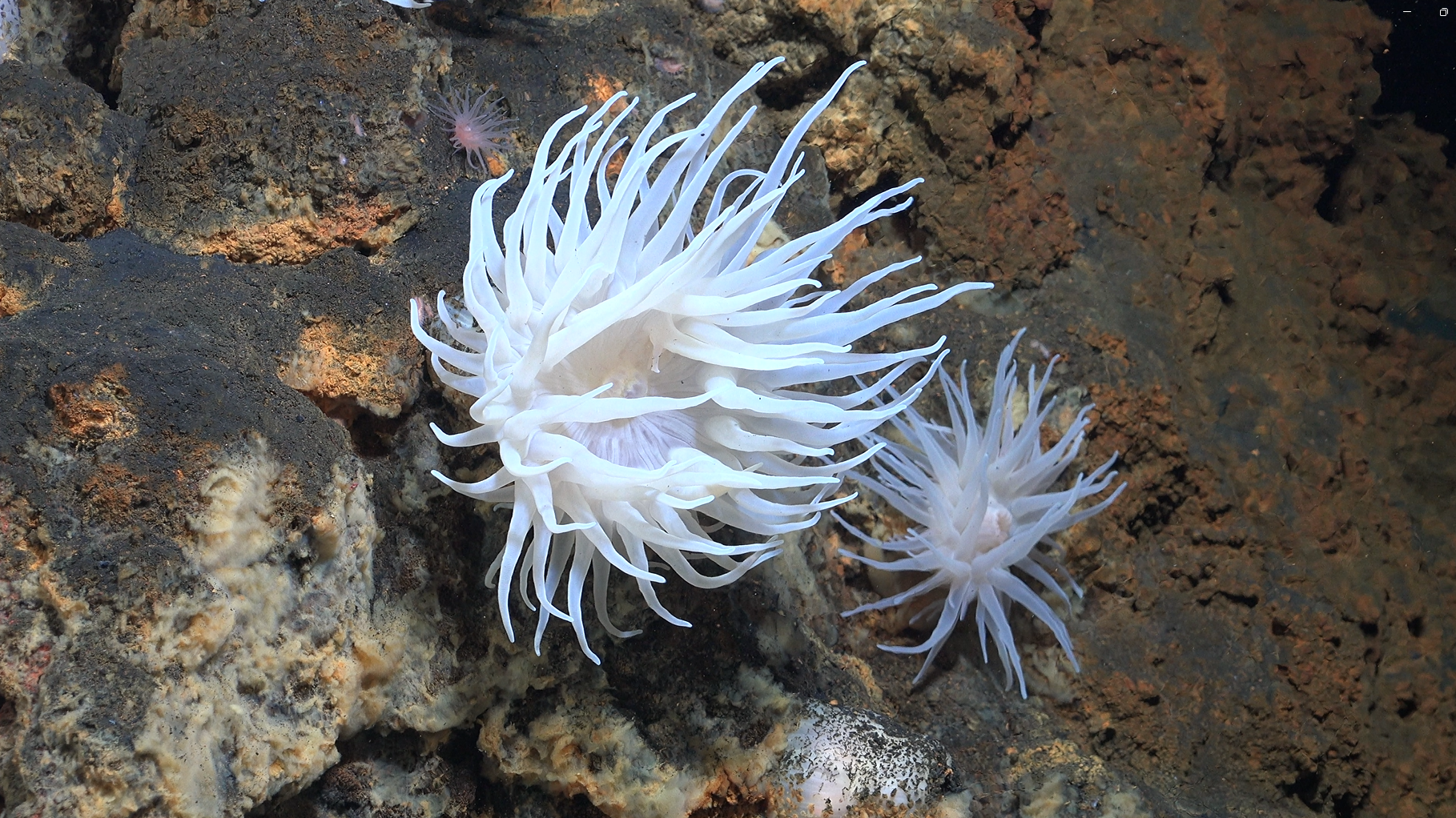
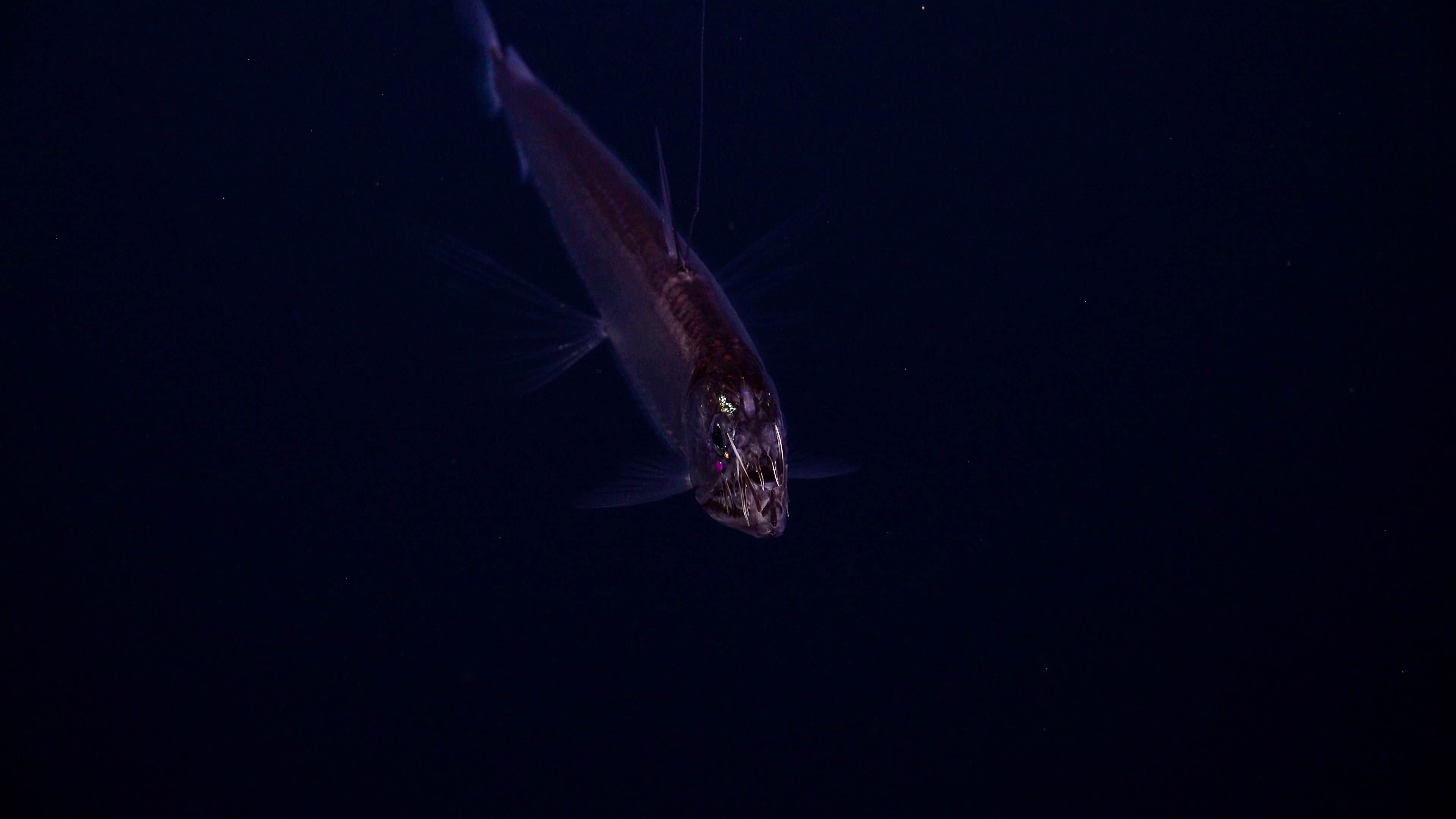
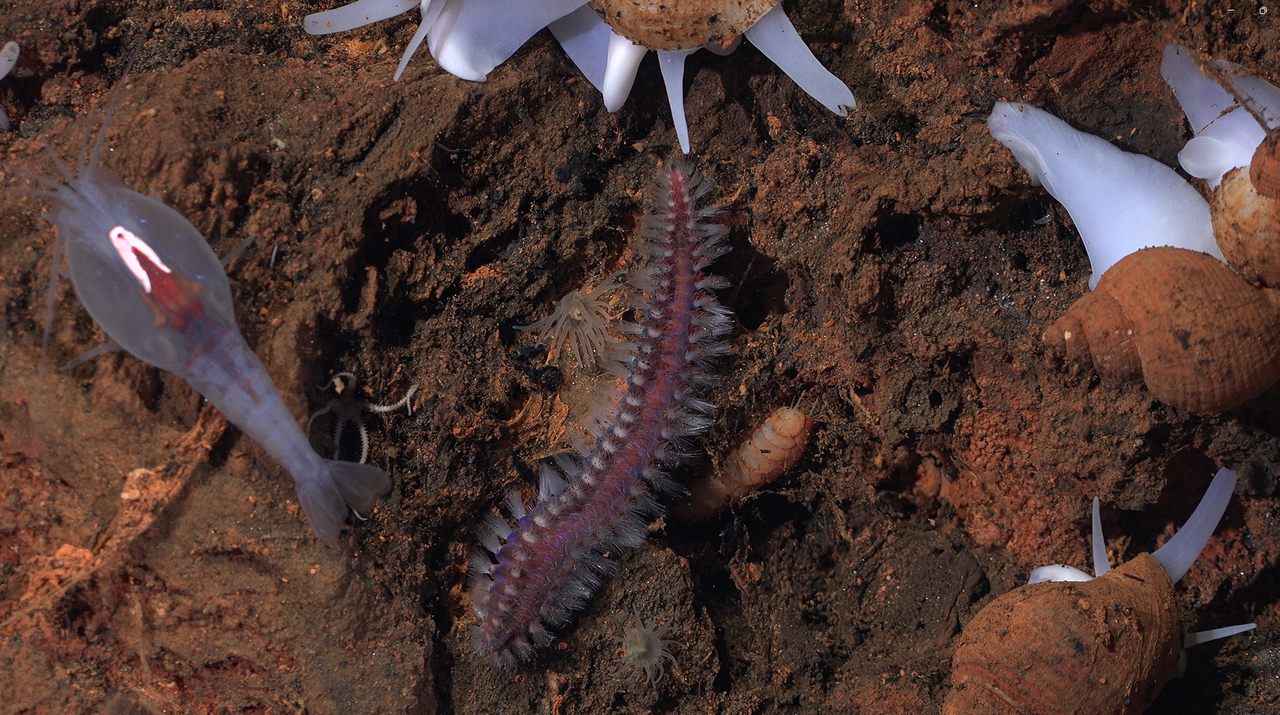
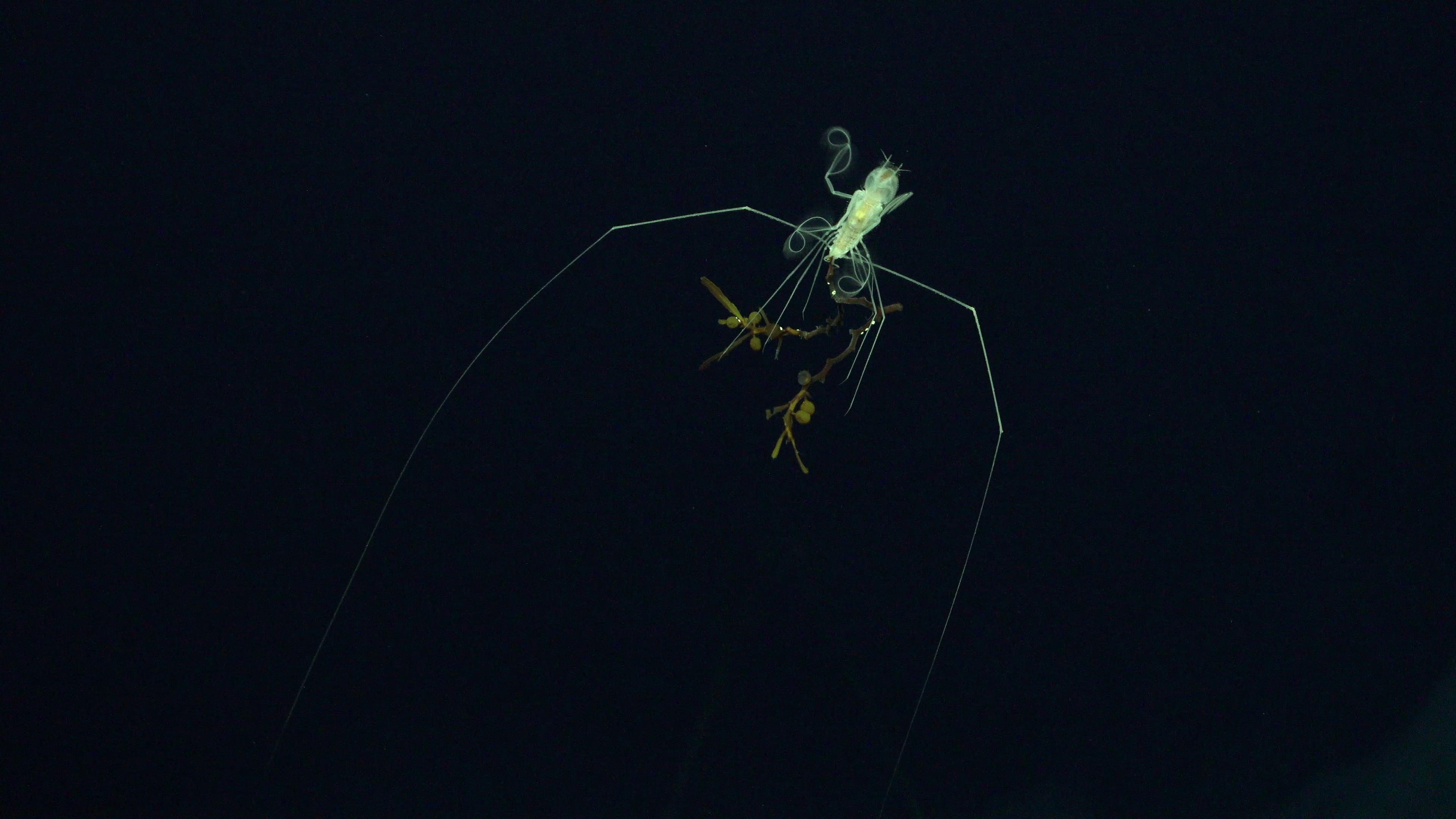
Species encountered across the three expeditions — from the Mid-Atlantic Ridge to the Northeast Pacific.
The expeditions feed the research. See the publications, frameworks, and monitoring work that grows from these dives.
Explore the Research Back to Home